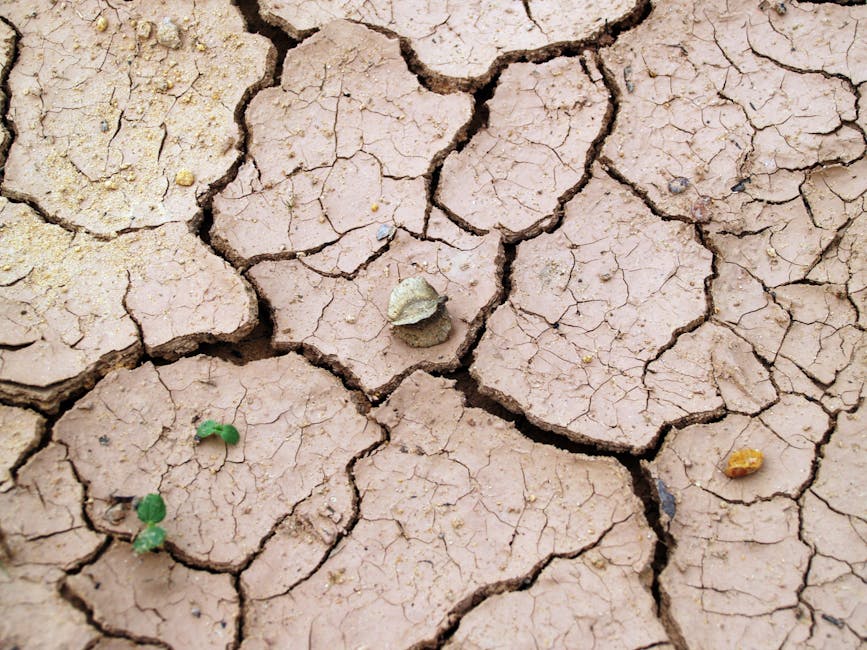
Natural Resources Wales cites record-low river levels and deteriorating environmental conditions as the country is on course for its driest July in 190 years of records.
A drought has been declared across the whole of Wales. The declaration was made by Natural Resources Wales (NRW), the country's environment body, on Thursday.
The decision was made in response to record-low river levels, dry soils, widespread wildfires, and impacts on wildlife, farming and forestry. Sustained high temperatures were causing the condition of the natural environment to deteriorate.
Wales is on course for its driest July on record in 190 years. NRW had already announced a drought across the north and parts of mid Wales the previous week.
The nationwide drought announcement is expected to trigger more monitoring of rivers and stronger advice for the public on use of water. Reports indicate that a drought was declared for half of England a day before the Wales-wide announcement, following record-low rainfall and prolonged high temperatures.
Updates
Wales has recorded 7.9mm of rainfall, which is 8% of its long-term average and nearly a third of the 22.6mm record established in 1911. Additionally, approximately 23 million people across England and Wales are now under hosepipe bans as the UK faces its driest national July since 1868. Firefighters also responded to 393 wildfires across England and Wales in July, marking the busiest month on record.
Wales has recorded just 7.9mm of rainfall, marking only 8% of its long-term monthly average and nearly a third of the 1911 record. Across the UK, approximately 23 million people are under a hosepipe ban, with the Environment Agency declaring a 'flash drought' in more than half of England. Additionally, officials reported 393 wildfires in England and Wales during July, making it the busiest month on record.
The UK is on course for its third driest July and its driest nationally since 1868, with rainfall in Wales reaching only 7.9mm, or 8% of its long-term average. While the Environment Agency declared a 'flash drought' in more than half of England, approximately 23 million people across England and Wales are now under hosepipe bans. Additionally, the UK has recorded seven days with temperatures exceeding 35C, surpassing the previous record of five set in 1976.
The UK is on course for its third driest July and its driest nationally since 1868, with Wales recording only 7.9mm of rainfall, which is 8% of its long-term average. In England, the Environment Agency has declared a 'flash drought' across more than half of the country, while approximately 23 million people across England and Wales are now under hosepipe bans to conserve water. Additionally, the UK has seen seven days with temperatures exceeding 35°C, surpassing the previous record of five set in 1976.
Wales has recorded only 7.9mm of rainfall, bringing it to 8% of its long-term monthly average and nearly a third of the 1911 record. Additionally, approximately 23 million people across England and Wales are now under hosepipe bans, and the UK Environment Agency has declared a 'flash drought' affecting more than half of England. July has also seen a record 393 wildfires across England and Wales, making it the busiest month on record for firefighters.
Wales has recorded a mere 7.9mm of rainfall this July, representing only 8% of its long-term average and nearly a third of the 22.6mm record set in 1911. This moisture deficit coincides with Wales experiencing its joint warmest July on record for mean temperature. Additionally, approximately 23 million people across England and Wales are now under hosepipe bans to conserve water.
The Met Office has confirmed that England and Wales recorded their driest July since records began in 1836, with Wales also experiencing its joint warmest July on record. Approximately 23 million people across the two nations are currently subject to hosepipe bans, while firefighters responded to 393 wildfires in July, marking the busiest month ever recorded. Additionally, the National Farmers’ Union has warned that these prolonged drought conditions could lead to potential food shortages across Britain.
Wales has provisionally recorded its driest July since 1836, with rainfall reaching only 7.9mm, which is 8% of the long-term monthly average. This extreme weather accompanies a joint record for the warmest July in terms of mean temperature. Additionally, approximately 23 million people across England and Wales are currently subject to hosepipe bans to conserve water.
Wales recorded 7.9mm of rainfall in July, representing only 8% of its long-term average and nearly a third of the 22.6mm record set in 1911. The country also experienced its joint warmest July on record for mean temperature. Furthermore, approximately 23 million people across England and Wales are now under a hosepipe ban to conserve water.
Wales has recorded 7.9mm of rainfall, representing just 8% of its long-term monthly average and nearly a third of the 22.6mm record set in 1911. This comes as the country experiences its joint warmest July on record for mean temperature. Additionally, approximately 23 million people across England and Wales are now under a hosepipe ban to conserve water.
Wales has recorded 7.9mm of rainfall, representing just 8% of its long-term monthly average and nearly a third of the 22.6mm record set in 1911. Additionally, the country experienced its joint warmest July on record for mean temperature. Approximately 23 million people across England and Wales are now under a hosepipe ban to conserve water.
Wales has recorded 7.9mm of rainfall, representing just 8% of the long-term monthly average and nearly a third of the 22.6mm record from 1911. This extreme dryness comes as Wales experiences its joint warmest July on record for mean temperature. Additionally, approximately 23 million people across England and Wales are now under a hosepipe ban to conserve water.
Wales has recorded 7.9mm of rainfall, representing only 8% of its long-term monthly average and nearly a third of the 22.6mm record set in 1911. Additionally, the country has experienced its joint warmest July on record for mean temperature. This extreme weather follows the UK Environment Agency's declaration of a 'flash drought' across more than half of England, with approximately 23 million people across England and Wales now under a hosepipe ban.
Wales recorded an average temperature of 17.8C in July, making it the joint warmest July on record alongside 2006 and 1983. Additionally, approximately 23 million people across England and Wales are now under a hosepipe ban to conserve water. The Met Office also provisionally reported that July 2026 was the driest July for England and Wales since records began in 1836.