An international team of scientists has determined that human-caused climate change has shifted the primary cause of Europe's droughts from low rainfall to extreme heat. The researchers said that scorching, dry summers are now driven more by rising temperatures than by a lack of precipitation, fundamentally altering how drought risk is understood across the continent.
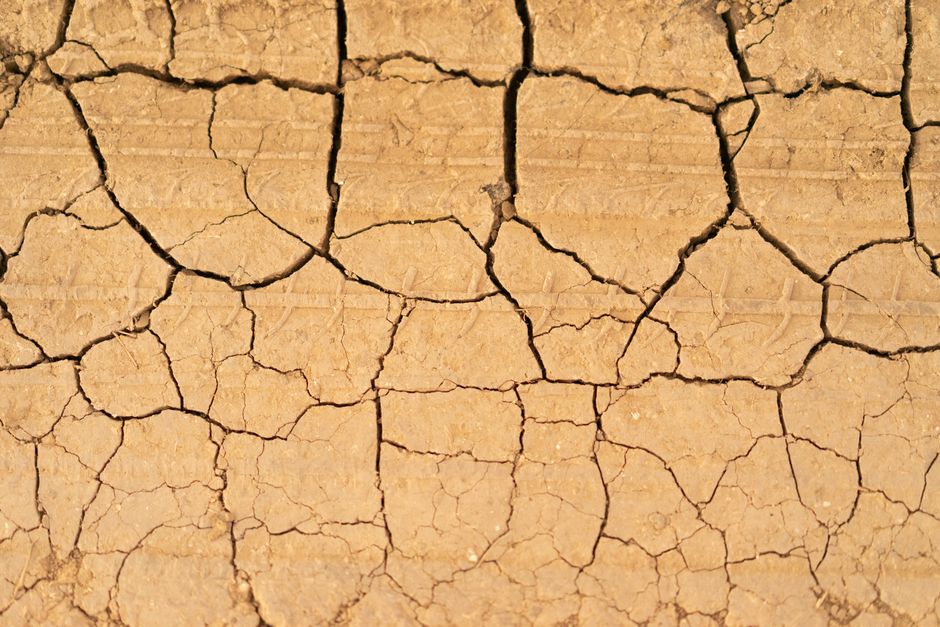
According to the team, a warmer atmosphere is sharply increasing drought and wildfire risks. While rainfall deficits have historically been the main trigger, the new analysis shows that evaporation driven by extreme heat now plays a larger role in creating exceptionally dry conditions. High evaporation rates can lead to severe drought.
The impact is already visible: rivers and water flows are low as evaporation rates rise under extreme heat. The analysis also quantified the role of fossil fuel pollution: the level of soil dryness in western Europe was made five times more likely by such pollution, and 11 times more likely in eastern Europe.
The findings underscore how climate change is reshaping drought dynamics. As heat becomes the dominant factor, adaptation strategies may need to focus more on managing extreme temperatures and evaporation, rather than solely on rainfall patterns.