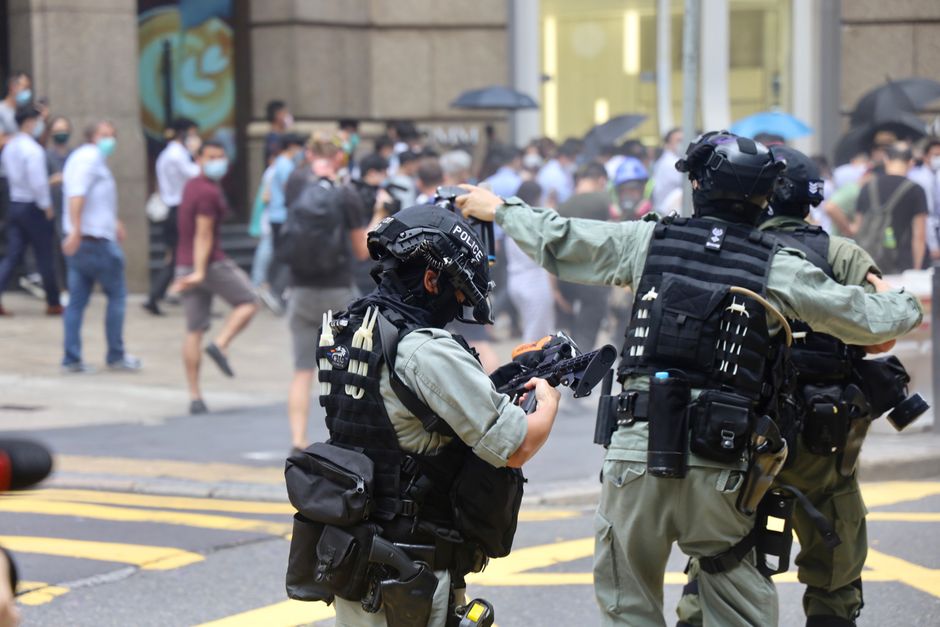
Thousands of supporters of India’s Cockroach movement gathered in New Delhi to march toward Parliament, defying a police ban. The protest, which police met with baton charges and tear gas, marks one of the largest public challenges to Prime Minister Narendra Modi’s government since his re-election for a third term.
Origins and Demands
The Cockroach movement began as a satirical protest against repeated leaks of medical school entrance exams, which have sparked widespread anger. The name originated from a comment by India’s top judge comparing unemployed youth to cockroaches. The movement, which started as an online satire two months ago, has grown into a nationwide youth-led campaign demanding the resignation of Education Minister Dharmendra Pradhan over exam irregularities.
Protesters say the government has failed to address systemic corruption and lack of opportunities for young people. The Cockroach Janta Party (CJP), the movement’s political wing, has gained millions of social media followers and tens of thousands of sign-ups since its launch in May. Opposition leader Rahul Gandhi has called for Prime Minister Modi to resign, accusing the government of 'destroying the future' of India’s youth.
Police Crackdown and Controversy
Police had not granted permission for the march and used batons, tear gas, and pellet guns to disperse the crowd.
Reports of injuries vary widely: nearly 60 protesters were injured according to some sources, while others say over 100 students were hurt. Police reported 118 officers injured. Delhi police claimed protesters displayed 'unruly, aggressive and violent behavior,' but the CJP and protesters rejected that account, saying police used force without provocation.
Political Reactions and Aftermath
The protests have given opposition parties a rare opening against Modi. Opposition lawmakers staged a sit-in outside the prime minister’s residence, and leaders Rahul Gandhi and Priyanka Gandhi Vadra were forcibly removed from a gathering of about 100 lawmakers. Education Minister Dharmendra Pradhan addressed the calls for his resignation, saying the government remains committed to reform. Prime Minister Modi broke his silence, vowing to punish those involved in the leaked exam papers scandal.
Two CJP members met with a government minister. Activist Sonam Wangchuk was removed from the protest site but later ended his strike. The CJP called for nationwide protests on July 24, and solidarity protests spread to Mumbai and Bengaluru. The movement’s spokesperson, Saurav Das Das, confirmed that protesters will not march again, signaling a shift in strategy.