Iran's ballistic missile capabilities have proven more resilient than initially estimated, according to a Financial Times analysis, as the US-Israeli military operation to eliminate them enters its fifth month. Despite hundreds of airstrikes, Iran continues to launch ballistic missiles, including a July 28 attack on a US base in Jordan that was described by US Central Command (CENTCOM) as an 'attempted surprise attack'.
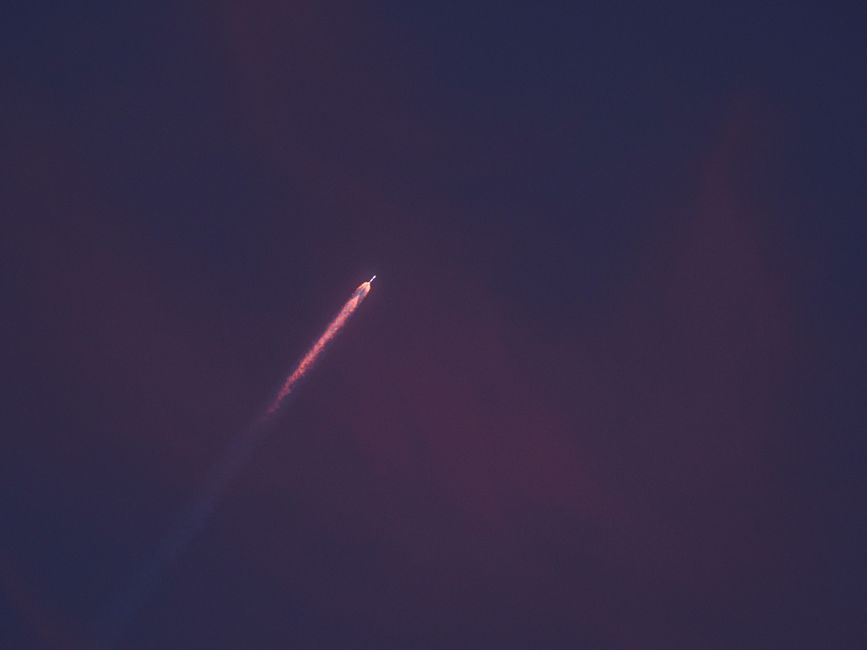
On July 28, 2025, at 5:45 p.m. ET, Iran's Islamic Revolutionary Guard Corps (IRGC) launched multiple ballistic missiles at a US military base in Jordan, according to CENTCOM. All missiles were intercepted by US and allied air defenses, with no casualties or damage reported. Jordan's armed forces stated they intercepted five missiles, while a US official cited by Israeli media reported four missiles were launched.
The attack ended a pause in fighting that had lasted several days—US President Donald Trump had paused US strikes on Iran to allow diplomacy. Reports on the duration of this pause are disputed, with some sources citing a three-day lull and others indicating a five-day break. The meeting between Trump and Israeli Prime Minister Benjamin Netanyahu at the White House covered the Iran war and regional security, and was described by press secretary Karoline Leavitt as 'positive and productive'.
Iran has adapted its operations: it reactivated underground missile bases, reopened blocked entrances, and now launches some missiles during daylight, indicating greater confidence. It uses more modern missiles like the Kheibar Shekan, which can maneuver near the target, and mixed salvos of drones, cruise missiles, and decoys to overwhelm defenses. Radar systems in Kuwait, Jordan, Bahrain, and other bases have been damaged, complicating the effectiveness of Patriot and THAAD interceptors.
The US has used many Patriot and THAAD interceptors; replenishing stocks could take years. The Trump administration denies an ammunition shortage, but military officials have warned about strain. Experts say Iran's geography, underground facilities, and mobile launchers make it difficult to destroy launch systems permanently, and that Israel may need to re-enter the war.
Following the attack, oil prices surged: Brent crude futures rose 3.42% to $86.97 per barrel, and US WTI crude rose 3.58% to $82.09 per barrel. The Strait of Hormuz, through which about 20 million barrels of oil and oil products pass daily, remains a flashpoint. Iran has rejected proposals to split the strait into two shipping lanes and demands full control over entry routes.
There are allegations that Russia provides intelligence to Iran on US bases and that Iran studies tactics from the Ukraine war, though the extent of foreign support is not independently confirmed. Iran is also expected to receive up to 400 Chinese-made shoulder-fired air-defense missile launchers within weeks.
The US faces a choice: expand airstrikes or continue with current air defenses. The attack pushed the Trump administration to a new decision point between military response and diplomacy. US President Donald Trump said prior to the attack that comprehensive negotiations with Iran were ongoing, but warned that if diplomacy fails, strong military operations could resume.