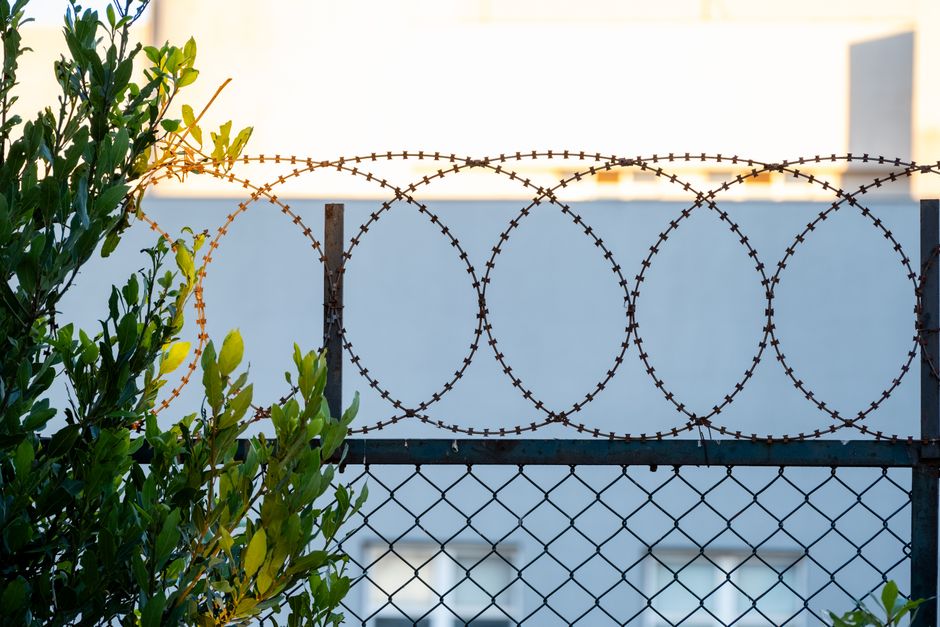
The Jerusalem District Court has issued a temporary injunction freezing a plan by Israel's National Security Minister Itamar Ben-Gvir to place crocodiles around Ketziot Prison in the Negev desert.
The animal rights organization Let the Animals Live filed a petition against the project, which has the support of the Israel National Security Ministry and the Israel Prison Service.
Judge Avraham Rubin barred authorities from taking actions based on a decision by Israel's Environmental Protection Minister Idit Silman to classify crocodiles as “tended wild animals.”
21 million shekels
Amount allocated by the Israel National Security Ministry for the pilot project
Israel's Nature and Parks Authority opposed the plan, stating there was no scientific basis or feasibility study for the project.
The project was not a stunt and preparations had been completed in detail.
— National Security Minister Itamar Ben-Gvir
Ben-Gvir accused the judiciary of blocking measures intended to increase deterrence in prisons.
According to Palestinian and Israeli rights organizations, approximately 9,500 Palestinian prisoners are currently being held in Israeli prisons.
Updates
National Security Minister Itamar Ben-Gvir revealed the plan was inspired by practices in Florida and accused the judiciary of siding with terrorists by blocking the initiative. Meanwhile, the Israel Nature and Parks Authority warned that the lack of necessary infrastructure in the Negev Desert and the introduction of non-native predators could pose significant risks to public safety and the ecosystem. Additionally, implementing the proposal would have required a legal reclassification of crocodiles from 'protected' to 'tended' wild animals under Israeli law.
National Security Minister Itamar Ben-Gvir stated the plan was inspired by Florida practices and accused the judiciary of siding with terrorists. While infrastructure work like canal digging has already begun, the Nature and Parks Authority warned that the plan lacks scientific feasibility and poses ecosystem risks, noting that the necessary infrastructure for the Negev Desert is not prepared. To implement the plan, crocodiles would have required legal reclassification from 'protected wild animals' to 'tended wild animals,' and the government has until August 16 to submit its official response to the injunction.
National Security Minister Itamar Ben-Gvir clarified that the plan was inspired by Florida practices and accused the judiciary of siding with terrorists by blocking it. While infrastructure work such as digging the canal around Ketziot Prison has reportedly already begun, the Nature and Parks Authority warned that the plan lacks scientific feasibility and poses risks to public safety and the ecosystem due to unprepared infrastructure. The Israeli government has been given until August 16 to submit its official response to the court's injunction.
The Israeli government has been granted until August 16 to submit its official response to the court regarding the crocodile plan. Meanwhile, animal rights organizations reports that infrastructure work, including digging a canal around Ketziot Prison, has already begun. Israel's Nature and Parks Authority has also warned that the plan lacks scientific feasibility and poses environmental and public safety risks due to the lack of prepared infrastructure in the Negev Desert.
National Security Minister Itamar Ben-Gvir revealed the plan was inspired by practices in Florida, while the Nature and Parks Authority warned of significant risks to public safety, the ecosystem, and an absence of scientific feasibility. The government's proposal involved digging a canal around Ketziot Prison and negotiating with crocodile farms, necessitating a legal reclassification of the animals to 'tended wild animals.' Although infrastructure work has reportedly already begun, the government has until August 16 to submit its official response to the court's injunction.
National Security Minister Itamar Ben-Gvir revealed the plan was inspired by Florida practices and claimed the crocodiles would reduce the burden on prison staff. However, Israel's Nature and Parks Authority warned the proposal lacks scientific basis and that the necessary infrastructure for the Negev Desert is not prepared. Furthermore, the government has been given until August 16 to submit its official response to the court injunction.
The plan to surround Ketziot Prison with a Nile crocodile-filled canal had already progressed to the infrastructure stage, with canal digging reportedly underway. To implement the strategy, crocodiles would have required a legal reclassification from 'protected wild animals' to 'tended wild animals,' an act critics claim lacked sufficient authority. The Israeli government has been granted until August 16 to submit its official response to the court's injunction.
National Security Minister Itamar Ben-Gvir clarified that the plan, which aims to use Nile crocodiles in a canal to reduce guard burdens, was inspired by Florida practices. However, the Israel Nature and Parks Authority warned that the proposal lacks scientific feasibility and poses significant risks to the ecosystem and public safety due to unprepared infrastructure. Additionally, the plan's implementation required a legal reclassification of crocodiles from 'protected wild animals' to 'tended wild animals,' and the Israeli government has until August 16 to submit its official response to the court's injunction.
The Israeli government has been given until August 16 to submit its official response to the court regarding the plan. While infrastructure work, including the digging of a 170-meter canal around a high-security section of Ketziot Prison, reportedly began on July 22, the proposal required a legal reclassification of crocodiles from 'protected' to 'tended' wild animals. This reclassification faced opposition from legal advisors at both the Israel Nature and Parks Authority and the Environmental Protection Minister's office.