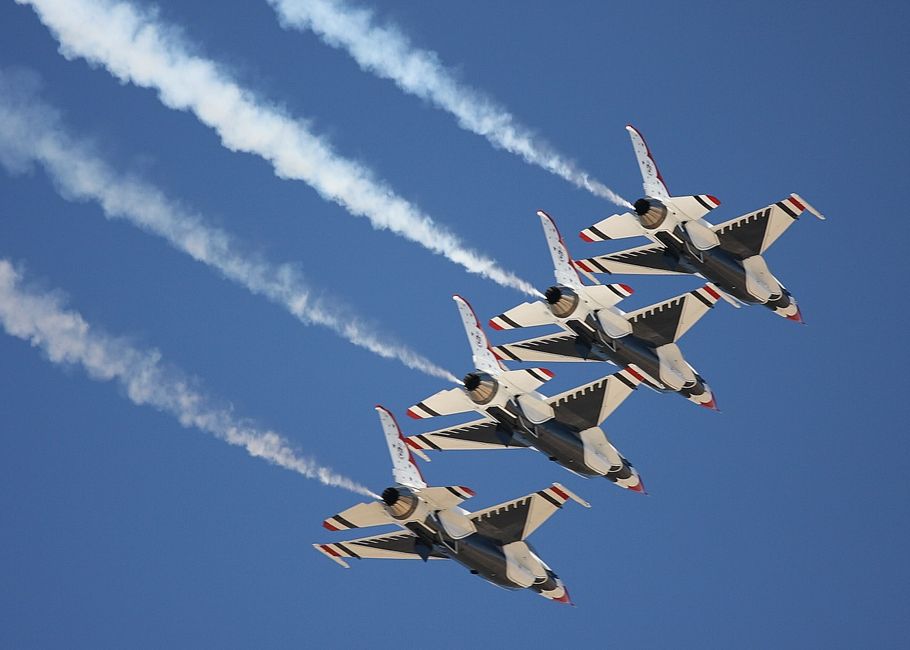
The Polish Air Force intercepted a Russian Il-20 reconnaissance aircraft 56 kilometers northeast of Koszalin, Poland. This encounter marks the third such aerial incident over the Baltic Sea within a span of a few days, following prior interceptions of Russian reconnaissance aircraft on Monday and the preceding Friday.
Polish government officials stated that Poland's airspace was not violated during the interception. Polish Defense Minister Wladyslaw Kosiniak-Kamysz, who noted that Russia is again carrying out provocative actions near the borders of NATO states, reported that the Russian Il-20 reconnaissance aircraft was intercepted by two Polish fighter jets, which other reports specified as F-16s.
Beyond the Baltic airspace, maritime operations and shipping routes face ongoing disruptions. The Russian logistics and shipping group Fesco reportedly stopped accepting new cargo orders for the Black Sea after its vessel, the Janina, was damaged and sunk by Ukrainian sea drones. Concurrently, the Russian Ministry of Defense reported conducting attacks on ships in the Ukrainian port of Mykolaiv and the Black Sea. The Russian Ministry of Defense stated in one report that three ships in Mykolaiv and one off Odesa were targeted, while in an alternative report, the Ministry stated that seven cargo ships were hit by drones in Mykolaiv and the Black Sea.
Maritime safety data from the Ukrainian Ministry of Infrastructure registered 35 attacks on ships in ports and 22 attacks on ships on the open sea during July. Turkish authorities also reported a drone attack on the cargo ship Nadezhda about 20 nautical miles off the Russian coast near Novorossiysk, Russia, which severely injured three crew members.
These shipping blockages are compounding economic pressures on agricultural exports. Ukrainian Agriculture Minister Taras Vysotskyi stated that alternative grain export routes will reach their necessary capacity by late August at the earliest, at which point they will handle only about half of the previous export volumes.
The conflict has also escalated deep into Russian territory through a series of drone strikes. Ukraine targeted warehouses belonging to the Russian online retailer Wildberries in Krasny Bor near St. Petersburg, Russia, near Chekhov in the Moscow region, Russia, and in Emmaus in the Tver region, Russia. Additionally, a Ukrainian drone strike caused a fire at a distribution center of the Russian food retailer Lenta near St. Petersburg, Russia, injuring one person.
According to the Russian Ministry of Defense, a total of 320 Ukrainian drones were intercepted and destroyed overnight across 19 Russian regions. Among these operations, Moscow Region Governor Andrey Vorobyov reported that a Ukrainian drone attack in the Moscow region, Russia, killed five people and injured six.
Heavy civilian casualties continue to be reported on the ground in Ukraine. Ukrainian President Volodymyr Zelenskyy accused Russia of deliberately using drones against civilians in Kherson, Ukraine, describing the actions as a drone 'safari.' In Sumy, Ukraine, local military administration officials reported that Russian glide bomb attacks killed two girls, aged five and ten, and an elderly woman inside their residential building.
In other regional security developments, local authorities reported that a Russian soldier shot and killed four people—one soldier and three civilians—and injured four others in Sevastopol on the Russian-occupied Crimean peninsula.
Regarding international alliances, former Ukrainian Army Chief Valeriy Zaluzhnyi, who currently serves as the ambassador to Great Britain, stated that Ukraine's accession to the North Atlantic Treaty Organization (NATO) is unrealistic because Ukrainian forces do not meet NATO standards.