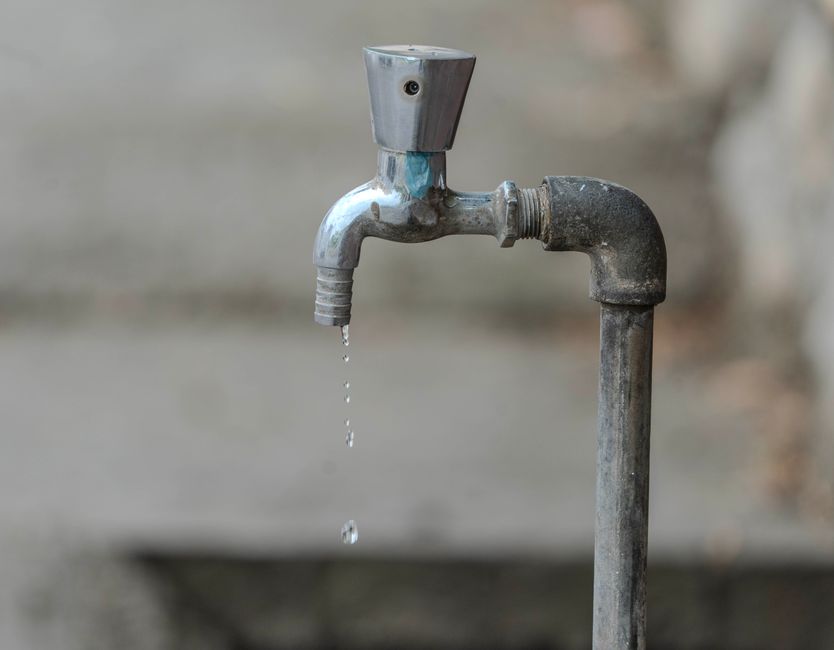
More than 180,000 water customers in Puerto Rico will begin rotating water shutoffs this week due to a worsening drought. The rationing measures will be implemented in San Juan and other major cities across the island.
Starting Friday, residents in parts of San Juan and several surrounding municipalities will lose running water for up to 48 hours at a time under a rotating schedule. The impacted areas include neighborhoods in San Juan, Carolina, Juncos, Gurabo, Trujillo Alto, Canóvanas, and Loíza.
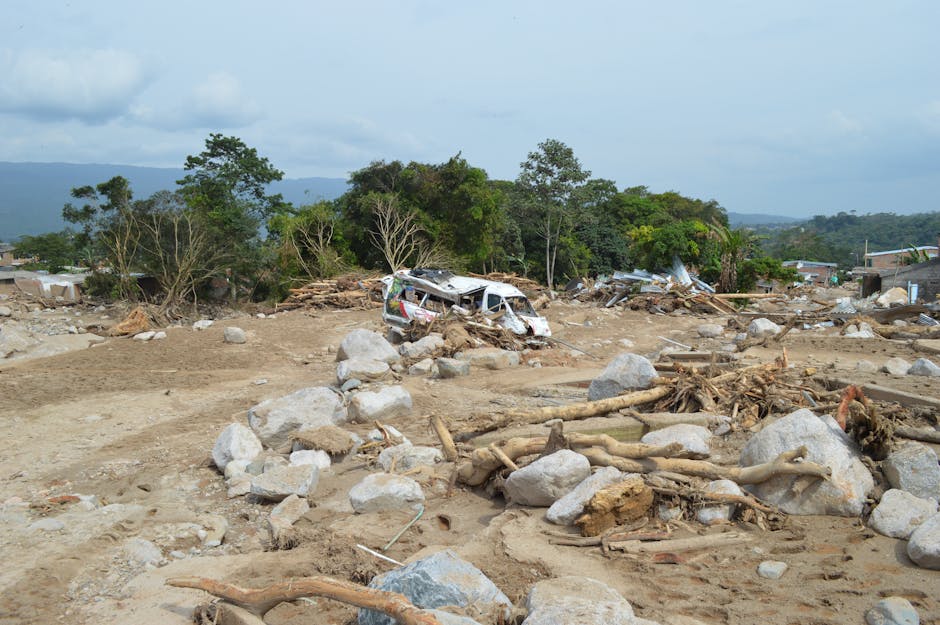
San Juan experienced its driest July in more than 120 years and its fourth-hottest July on record. According to the U.S. Drought Monitor, nearly one-quarter of Puerto Rico is in severe drought, while another 36% is experiencing moderate drought.
Number of customers who received water only once every three days during widespread rationing in 2015 and 2020.
Puerto Rico Governor Jenniffer González said the government has few options as dry conditions worsen. She acknowledged that decades of underinvestment and poor maintenance have left the water system vulnerable and stated that she does not know how long the rationing measures will remain in place.
This situation is out of our hands. Nothing prevents this from worsening.
Thousands of residents have reported unreliable water service for months or more than a year. In May, San Juan Mayor Miguel Romero sued Puerto Rico's Aqueduct and Sewer Authority over longstanding water shortages.
Community leader Marcia Soler París, 61, said her neighborhood has been dealing with severe shortages for months, describing the situation as 'It's chaos. It's truly pitiful.'
Response and Forecast
Puerto Rico's Aqueduct and Sewer Authority president Luis González Delgado said water trucks will be deployed to deliver drinking water, with priority given to hospitals and facilities serving older residents.
Forecasters warned that dry conditions in Puerto Rico could continue into September. National Weather Service hydrologist Emanuel Rodríguez said Puerto Rico often receives heavy rain later in the Atlantic hurricane season, but warned there is no guarantee that pattern will repeat this year.