Pyrocumulonimbus Clouds Drive Unpredictable Wildfires in Southwest France
A rare phenomenon known as 'fire clouds' is fueling a massive blaze near Bordeaux, forcing over 250,000 evacuations and scorching thousands of hectares.
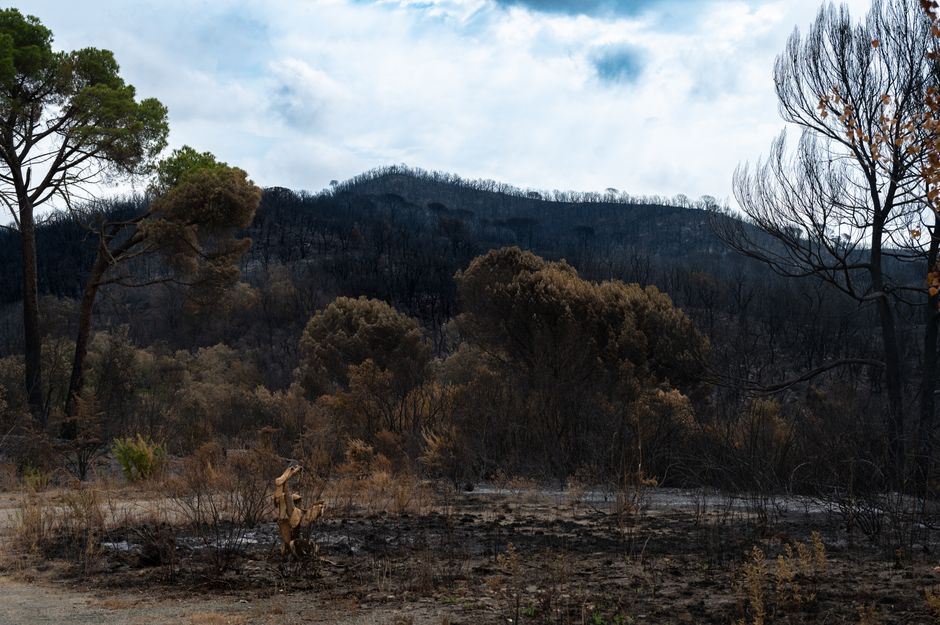
A wildfire in southwestern France, which began in the Gironde region on Wednesday, has burned more than 42,000 hectares and forced over 250,000 people to evacuate. The blaze is just seven miles from Bordeaux and has been raging for four days, driven by a rare meteorological phenomenon known as pyrocumulonimbus — or 'fire clouds' — that generate their own weather systems, making the fire highly unpredictable.
Pyrocumulonimbus clouds (pyroCB) occur when intense wildfires release enormous heat and energy, propelling hot air, smoke, and ash upward. At high altitudes, low atmospheric pressure causes the plume to expand and cool, forcing moisture to condense into massive, mushroom-shaped storm clouds. According to experts, the phenomenon is rare in France and, if confirmed by meteorologists, would mark the first official recording of a pyroCB cloud in the country.
These fire clouds create their own volatile weather systems directly above the fire. Intense updrafts and downdrafts produce powerful, unpredictable wind gusts that can suddenly shift the fire's direction, while dry lightning can strike beyond the main fire perimeter, igniting new spot fires. A spokesperson for France’s National Firefighters Federation (FNSPF) described the situation as 'a David-versus-Goliath scenario,' noting that the fire spreads in every direction with multiple fronts, making it impossible to fight directly.
Authorities have warned that the blaze may continue for several months. President Emmanuel Macron met with his cabinet on Monday to discuss the crisis and stated that Bordeaux will not be evacuated. The fire has been described as 'unlike a standard fire that spreads in a conical pattern,' according to the FNSPF spokesperson, who added that 'the fire front is constantly shifting.'
Historically, pyrocumulonimbus clouds have been associated with extreme wildfire seasons in Australia and California. Their emergence in France underscores a worrying trend linked to climate change. According to the EU Copernicus Climate Change Service, climate change is widely attributed to the rise in extreme weather conditions necessary for fire clouds to form. Experts note that back-to-back heatwaves and prolonged droughts across Europe have created vast amounts of dry fuel, powering these intense thermal plumes.
Climate models predict that more frequent heatwaves will hit Europe in the coming years, leading scientists to warn that fire clouds will become an increasingly common threat. The phenomenon, which NASA has dubbed 'the fire-breathing dragon of clouds,' is now appearing in regions where it was previously unheard of, as the climate continues to warm.
Updates
The wildfire has now spread to the Avila and Toledo regions of Western Madrid, with the blaze in France consuming 42,000 hectares to date. Officials warn that the fire, described as erratic and unmanageable due to cloud activity, will likely burn for many weeks and could take months to fully extinguish. While the situation remained stable overnight, evacuations have risen to more than 300,000 people, and a new heatwave with temperatures reaching 40°C is forecast for the coming week.
The wildfire has now spread beyond France into the Avila and Toledo regions of Western Madrid. While the Gironde prefecture reported the situation remained stable overnight, officials warned the blaze could burn for many weeks and potentially months. Additionally, evacuation numbers have risen from over 250,000 to more than 300,000 people, as firefighters describe the fire cloud's behavior as 'erratic and unmanageable'.
The wildfire has now spread to the Avila and Toledo regions in Western Madrid, while officials report that the blaze in Gironde could burn for several weeks or even months. The evacuation figure has risen to over 300,000 people, up from the initially reported 250,000. Authorities further warn that another heatwave reaching 40°C is expected later this week, following reports that current fire conditions remain erratic and difficult to manage.
The wildfire has expanded into Western Madrid, Spain, with 42,000 hectares burned in France and an additional 77,000 hectares affected across the Avila and Toledo regions. Evacuation numbers have increased from 250,000 to over 300,000, though authorities note the situation remained broadly stable overnight. Officials now warn that the blaze may burn for many weeks or months, as fire clouds continue to make conditions erratic and unmanageable, compounded by an incoming heatwave with temperatures reaching 40°C.
The wildfire situation in Gironde remains broadly stable, though officials warn the blaze could burn for many weeks and take months to fully extinguish. The fire has now damaged or destroyed more than 240 homes and spread to Western Madrid, Spain, while evacuations in France are subject to conflicting reports, ranging from 220,000 to over 300,000 people. Additionally, meteorologists describe the blaze as erratic and unmanageable, noting that the fire cloud has become its own weather system that dictates the fire's progression.
The wildfire has now spread to Western Madrid, Spain, with approximately 190,000 acres burned in the Avila and Toledo areas. In Gironde, the blaze has destroyed or damaged more than 240 homes, and officials warn that the fire could take months to fully extinguish. While official figures remain debated, evacuation counts are now subject to conflicting reports of 220,000 and 300,000 people displaced.
The wildfire, which erupted near Saumos on July 22, has now burned nearly 104,000 acres in France and spread to Western Madrid, Spain, where an additional 190,000 acres have been scorched. Officials report the fire has damaged or destroyed over 240 homes, and while evacuation figures remain disputed, estimates range between 220,000 and 300,000 people. A senior official warned that the situation in Gironde could take months to fully extinguish, as the fire cloud continues to make the blaze erratic and unmanageable.
The wildfire, which erupted near Saumos on July 22, has now spread to the Avila and Toledo regions in Western Madrid, Spain, while authorities report that more than 240 homes in France have been damaged or destroyed. Regarding the impact, figures remain contested as reports vary between 220,000 and 300,000 evacuations, and officials warn the blaze could take months to fully extinguish. Additionally, a new heatwave with temperatures reaching up to 40°C is expected later this week, further complicating efforts to manage the erratic fire.
The wildfire has now spread to the Avila and Toledo regions in Western Madrid, with authorities warning that the blaze in Gironde could burn for many weeks or even months. While evacuation figures remain disputed between 220,000 and 300,000, officials confirmed the fire has already damaged or destroyed over 240 homes. Firefighter Captain Nicolas Braz described the fire as currently unmanageable, noting that the situation is being exacerbated by a forecast of another heatwave with temperatures reaching up to 40°C later this week.
The wildfire, which erupted near Saumos on July 22, has now spread to Western Madrid, Spain, with officials reporting that the blaze has destroyed over 240 homes in total. While evacuation figures remain disputed between 220,000 and 300,000, authorities warn the fire could burn for weeks or months, as fire-generated clouds make containment efforts erratic. Additionally, France has recorded over 220,000 acres burned this year, an unprecedented figure that exceeds previous annual records by 61,000 acres.
The wildfire has expanded into Western Madrid, Spain, with approximately 42,000 hectares burned in Gironde and an additional 77,000 hectares affected in the Avila and Toledo regions. While sources provide conflicting figures on evacuations—ranging from 220,000 to over 300,000 people—officials have confirmed the destruction of more than 240 homes. Responding authorities warn that the situation remains volatile, noting that the fire could take months to fully extinguish as another heatwave with temperatures reaching 40°C is forecast for the coming week.
The wildfire has now spread beyond France, impacting the Avila and Toledo regions in Western Madrid, Spain, with further blazes reported across both countries due to extreme dry conditions. In Gironde, the fire has destroyed or damaged over 240 homes and burned approximately 42,000 hectares, while officials warn the situation could take months to fully resolve. Evacuation figures remain contested, with estimates ranging from 220,000 to over 300,000 people. Additionally, meteorologists emphasize that the fire-generated pyrocumulonimbus cloud is creating an unpredictable feedback loop, triggering lightning strikes and erratic winds that complicate firefighting efforts.
The wildfire has now spread beyond France into Western Madrid, Spain, with the blaze in Gironde having destroyed over 240 homes and burned approximately 42,000 hectares. Officials report that the situation remains unstable as the pyrocumulonimbus cloud renders the fire erratic, with projections indicating the blaze could persist for many weeks. While evacuation figures are disputed, with some estimates citing over 300,000 people compared to the initial 250,000, authorities warn that the fire has caused a record-breaking year for France, with total burned area now six times the annual average.
The wildfire situation in Gironde has spread to Western Madrid, Spain, with the blaze having already consumed 42,000 hectares in France and an additional 77,000 hectares in the Avila and Toledo regions. While officials note the situation remains broadly stable, fire response leaders warn the incident could take months to fully extinguish and has already caused the destruction of over 240 homes. Evacuation figures remain disputed, with reports citing varying counts between 220,000 and 300,000 people, as meteorologists warn that another heatwave with temperatures reaching 40°C is expected later this week.
The wildfire, which erupted near Saumos on July 22, has spread to Western Madrid and damaged or destroyed more than 240 homes in France. While official evacuation figures are disputed—with estimates varying between 220,000 and 300,000 people—firefighters warn that the pyrocumulonimbus activity is making the blaze 'erratic and unmanageable.' Experts caution that the Gironde fire may burn for several weeks, exacerbated by an upcoming heatwave forecast to reach 40°C.
The wildfire in the Gironde region, which erupted near Saumos on July 22, has now damaged or destroyed more than 240 homes and expanded into Spain's Avila and Toledo areas. While authorities report the situation remained broadly stable overnight, officials warn the fire is erratic and unmanageable, potentially burning for months. Estimates regarding evacuations remain disputed, with varying figures between 220,000 and 300,000 people, as the region prepares for another heatwave with temperatures reaching up to 40°C.
The Gironde wildfire, which erupted near Saumos on July 22, has now damaged or destroyed over 240 homes and spread to Western Madrid, Spain. Officials warn that the fire could burn for weeks or months, as the pyrocumulonimbus cloud makes the situation 'erratic and unmanageable' by creating its own weather system and transporting embers over vast distances. Meanwhile, reports on the scale of the displacement remain disputed, with evacuation estimates ranging between 220,000 and 300,000 people, while France has already seen a historic 220,000 acres burned this year—a figure six times the annual average.