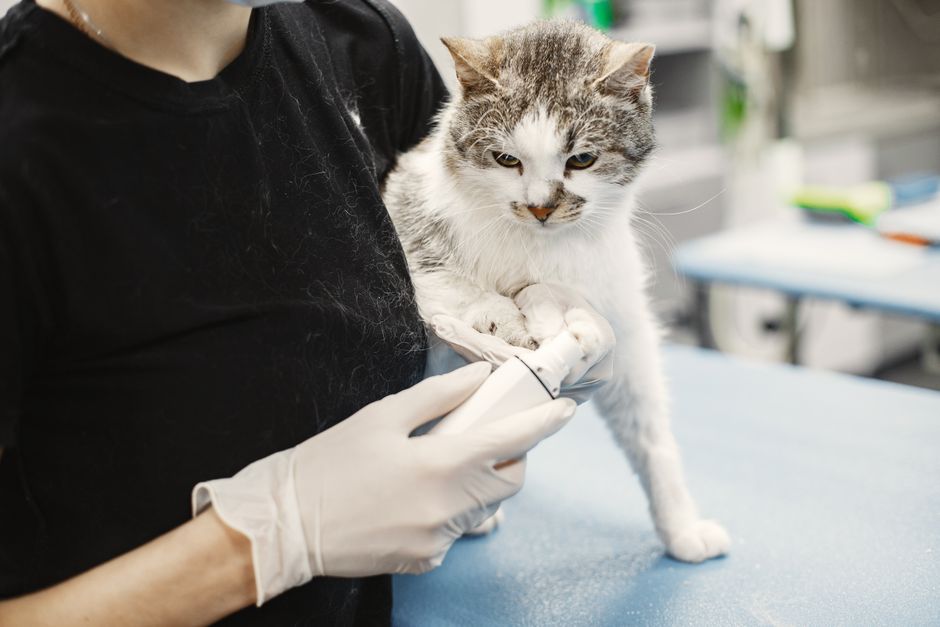
The UK House of Lords environment committee has urged a ban on the general sale of pet flea treatments. The committee recommended that the sale of topical flea and tick treatments should be restricted to veterinarians, pharmacists, and other qualified professionals.
Widespread use of these treatments poses a potential threat to natural ecosystems. Fipronil and imidacloprid, which are common active ingredients in spot-on pet treatments, are already banned for use as agricultural pesticides in the UK and EU due to their toxicity to bees, fish, and invertebrates.
The overuse of pet flea treatments was 'the equivalent of using a sledgehammer to crack a nut'.
Environmental and health concerns
High volumes of fipronil and imidacloprid have been found in UK streams and rivers, killing aquatic life. Researchers at Cardiff University found imidacloprid and fipronil in almost half of all samples across nine Welsh rivers.
Percentage of samples across nine Welsh rivers found to contain imidacloprid and fipronil
The committee stated there is 'worryingly insufficient evidence' to assess whether these chemicals are harmful to human health, although studies have found that fipronil and imidacloprid can impact foetal development and cause thyroid disruption.
Imperial College London researchers stated that the breakdown products of these chemicals can be 'an entire order of magnitude more toxic' than the chemicals themselves. Additionally, The Wildlife Trust stated that some of these chemicals break down into toxic PFAS 'forever chemicals'.
Two sugar cubes of concentrated imidacloprid would exceed the predicted no-effect concentration in approximately 400 Olympic-sized swimming pools.
The environmental impact extends to wildlife; a study found that songbirds using contaminated dog and cat fur to create nests had a higher number of unhatched eggs or dead chicks. The Wildlife Trusts is calling for a total ban on five of the most widely used pet parasite chemicals.
Industry and regulatory response
The British Veterinary Association (BVA) supports a ban on over-the-counter sales of pet flea treatments. Elizabeth Mullineaux, a senior vice president at the BVA, told the committee that pet owners need access to professional, tailored, veterinary advice for appropriate and safe use of these products.
The National Office of Animal Health (NOAH) stated that the 'risk-based use' of parasite control products plays a 'vital role' in preventing disease and reducing parasite transmission from pets to people.
Regarding regulation, Baroness Shas Sheehan said the relationship between pet medication suppliers and regulators appeared 'as murky as the waterways these flea treatments are polluting'. Veterinary surgeon Rosemary Perkins also noted 'fundamental problems with independence' regarding the pet pharmaceutical industry's involvement in regulatory processes.
Government action
The UK Department for the Environment, Farming and Rural Affairs (Defra) launched a call for evidence in May regarding the impact of these treatments on UK rivers. A spokesperson for Defra said the department is 'committed to restoring nature and cleaning up our rivers whilst upholding the highest animal welfare standards'.
The Veterinary Medicines Directorate (VMD) stated that while pet parasite treatments protect pets and people, they are entering watercourses which could contribute to wider environmental impacts. A UK government spokesperson said the government is assessing the availability of these treatments to ensure 'correct usage by owners'.