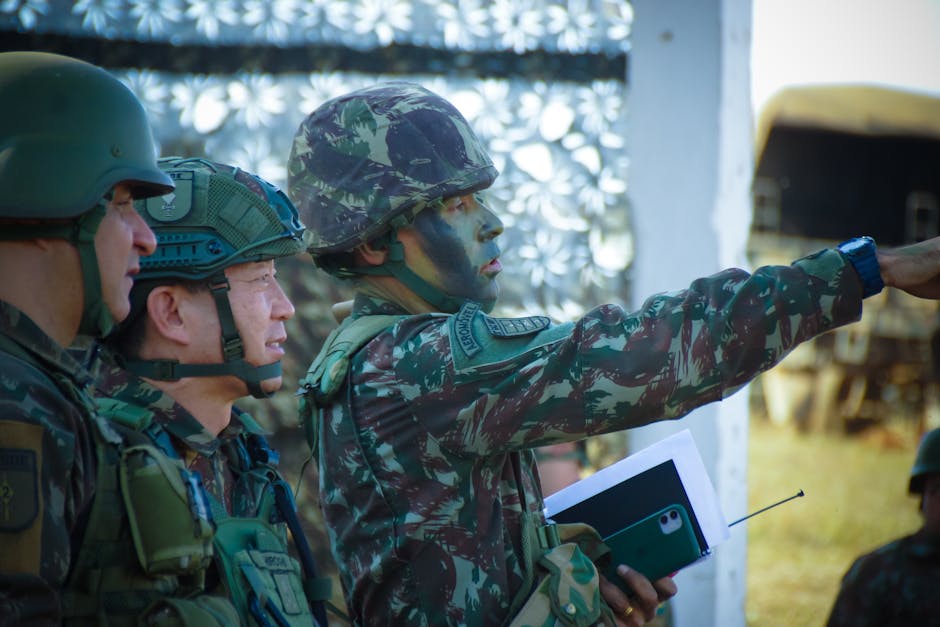
A conflict between two strategies — destroying enemy infrastructure versus holding the front line with soldiers — has led to the dismissal of Ukraine's Defense Minister Mykhailo Fedorov and the firing of Commander-in-Chief Oleksandr Syrskyi by President Volodymyr Zelenskyy. The moves came amid public protests and a deepening division over how to prosecute the war against Russia.
About a year ago, Ukrainians protested President Zelenskyy's attempt to strip the National Anti-Corruption Bureau (NABU) and the Specialized Anti-Corruption Prosecutor's Office (SAP) of their independence. The Verkhovna Rada restored their independence a week later. Two weeks ago, the Rada dismissed Prime Minister Yulia Svyrydenko at the president's request — though Zelenskyy later awarded her a medal. Opposition politician Yulia Tymoshenko remarked, "If the government was so good, why dismiss it at all?" Zelenskyy then hinted Svyrydenko would become ambassador to the US, but she refused.
Fedorov, who began his political career in Zelenskyy's campaign headquarters overseeing digital strategy, became deputy prime minister and digital minister after Zelenskyy's victory. He was one of the few ministers with concrete achievements, including the Diia e-government platform. For the first time in Ukraine's history, people protested to keep a defense minister in office. Protesters also demanded the dismissal of Syrskyi, who began his military career in Soviet times and graduated from Moscow's Higher Combined Arms Command School. Syrskyi led the defense of Kyiv at the start of the full-scale invasion and later the liberation of Kharkiv oblast.
Many generals loyal to Syrskyi argued that building an electronic state is not the same as running the defense ministry of a country at war. President Zelenskyy admitted he was tired of the constant conflict between Syrskyi and Fedorov and said ideally both should be dismissed. Two days after Fedorov's dismissal, under protest pressure, Zelenskyy dismissed Syrskyi as well.
Possible increase in Russian troop numbers by year-end after expected mobilization wave.
The defense minister post remains vacant; duties are temporarily handled by former Security Service of Ukraine (SBU) chief Yevhen Khmara. By law, an active-service officer may not head the defense ministry. Major General Mykhailo Drapatyi replaced Syrskyi as commander of Ukraine's armed forces. Drapatyi is considered a battlefield general who values soldiers' lives; Syrskyi was seen as a hard-line commander willing to sacrifice entire brigades.
The front is critically short of soldiers. Ukrainian society is split into two groups: those who fight and those who do not want to fight, the latter being more numerous. Zelenskyy justified Fedorov's dismissal by pointing to slow mobilization, but mobilization is handled by the military, not the defense ministry.
During his half-year as defense minister, Fedorov proposed fixed-term service contracts for recruits with extended leave of one to three years, raising the pay of infantrymen in greatest danger to €6,000 or more, and more actively recruiting foreigners into Ukraine's armed forces. After his dismissal, these plans may be scrapped. Syrskyi and many Ukrainian officers believed Fedorov's measures would have an effect only in the long term, if at all.
There is near-consensus in Ukraine that after Russia's State Duma elections on 20 September, Putin will announce a new mobilization wave, potentially adding 300,000 to 500,000 additional soldiers by year-end. The conflict between Fedorov and Syrskyi reflects two strategic visions: systematic destruction of enemy infrastructure versus holding the front line with soldiers. Strikes on Russian oil refineries and depots have not had a direct impact on the front or stopped Russia's slow advance.