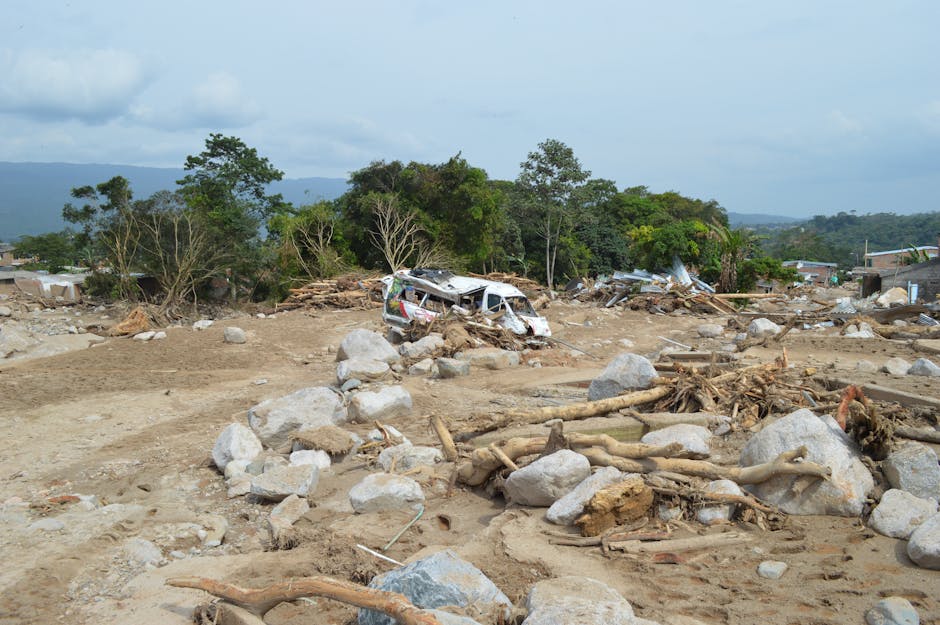
Massive wildfires spreading across the Gironde and Landes departments in southwestern France have activated emergency measures at several Seveso-class facilities. The fires, which have been burning since 22 July, have burned approximately 42,000 hectares, an area four times the size of Paris.
The wildfires have forced evacuations and protective measures at several strategically important defense and aerospace sites, including ArianeGroup, Airbus Atlantic, Dassault Aviation, Thales, Safran, and Roxel. The CEA closed its military research center in Le Barp, though officials stated there is no risk of radioactive leakage as no nuclear materials are present.
Industrial operations have been significantly disrupted. Airbus Atlantic temporarily suspended part of its production at the Le Haillan facility and evacuated employees from its Salaunes facility, which produces fuselage components for Airbus A220 and A350 aircraft. ArianeGroup has evacuated affected sites and is working with authorities. Safran moved some employees at its Merignac plant to remote work, while Dassault Aviation continued production under strict safety protocols, transferring sensitive equipment from its Martignas plant and Cestas logistics centre to its Mérignac site and Air Base 106.
The region around Bordeaux contains many plants involving sophisticated technologies and hazardous materials. These include a facility in Saint-Médard-en-Jalles that produces propellants for Ariane space rockets and strategic missiles, and a Roxel complex in the same area that produces solid-propellant systems for tactical missiles. Additionally, a plant in Sainte-Hélène produces ammonium perchlorate, used as an oxidizer in solid rocket propellants. Le Monde identified at least seven of the 35 Seveso-class sites in Gironde as being located close to the fire or in evacuated towns. No major industrial accident has been reported from the wildfires.
220,000 people
Estimated number of individuals prompted to evacuate due to the wildfires.
The emergency response includes over 2,200 firefighters and more than 20 aircraft. The French Defence Ministry has deployed 1,500 military personnel since Saturday to support the response, with resources also deployed to protect the Souge military camp and defense sector facilities. Gironde fire commander Matthieu Jomain said, 'We strike quickly and strike hard at any new smoke emissions.'
Economic impact and business disruption
French Economy Minister Roland Lescure stated that more than 13,000 businesses in Gironde have been affected. These include approximately 7,000 craft businesses and 6,300 retailers within evacuation zones. The disruption has prevented around 130,000 employees from working normally. Lescure described the fires as an 'economic thunderbolt affecting a region that did not need it.'
The French government has announced emergency support for businesses in Gironde, Landes, and Var, which includes a partial-unemployment scheme. France Assureurs has extended the deadline for submitting insurance claims until 31 August. A meeting is scheduled at the Economy Ministry on Thursday to address affected companies. Carsten Brzeski, ING’s global head of macroeconomics, noted that the overall economic impact should become measurable.
Agriculture and viticulture
As of 27 July, Bordeaux's vineyards had escaped direct fire damage. However, winemakers have warned that smoke could taint grapes and affect the quality of future vintages. Thomas Duroux, director general of Chateau Palmer, said that while vines in Margaux remain intact, 'the warning signs are everywhere.' He added: 'We are facing something we have never seen before.'
The industry faces significant challenges as many chateaux do not have sufficient water to irrigate entire vineyards. Young vines with shallower root systems have been the first to suffer from a lack of underground moisture. Without upcoming rain, vines could shut down to protect themselves, causing grapes to shrivel. Duroux stated that immediate priorities include securing water resources and adapting vineyards for resilience.
The sector faces broader economic pressures; the Bordeaux fine wine market has lost nearly a fifth of its value over the past five years. The en primeur market has lost momentum, leading some chateaux to reduce prices. In response to the crisis, a vine-pull scheme has been implemented to compensate producers for uprooting vineyards to reduce production.
Updates
Wildfires have reached industrial zones in Cestas, Saint-Jean-d’Illac, Saint-Medard-en-Jalles, Martignas-sur-Jalle, and Merignac, disrupting operations at major aerospace and defense facilities including Dassault Aviation and ArianeGroup. While the French Defence Ministry has deployed resources to secure these sites, companies are implementing protective measures and keeping staff home as the fire also impacts the commercial timber industry in the Landes de Gascogne forest. Regarding the region's viticulture, experts noted that while the fires coincided with the veraison stage, the harvest is still weeks away, potentially limiting the impact on grape quality compared to a later fire.
The wildfires have now impacted industrial zones across Cestas, Saint-Jean-d’Illac, Saint-Medard-en-Jalles, Martignas-sur-Jalle, and Merignac, disrupting operations at key aerospace facilities including Dassault Aviation and ArianeGroup. While the French Defence Ministry has deployed experts to secure these sites, companies are implementing protective measures and keeping staff at home. Additionally, the fires are affecting the commercial timber industry in the Landes de Gascogne forest, while viticulturists note that while current drought conditions have already caused an unusually early veraison stage, the vineyards remain at risk should the lack of rain persist until the harvest begins in three weeks.
The wildfires have now impacted industrial zones across Cestas, Saint-Jean-d’Illac, Saint-Medard-en-Jalles, Martignas-sur-Jalle, and Merignac, prompting aerospace companies including Dassault Aviation, ArianeGroup, and Roxel to implement emergency protective measures for their facilities and staff. The French Defence Ministry has deployed experts and resources to assist in securing these sites, while forest fires are also causing significant disruption to the commercial timber industry in the Landes de Gascogne forest. Regarding the region's viticulture, experts noted that while the fires coincided with the grape veraison phase, the potential impact on harvests remains limited as the main picking season is not scheduled for another three weeks.
Wildfires have extended to industrial areas across Cestas, Saint-Jean-d’Illac, Saint-Medard-en-Jalles, Martignas-sur-Jalle, and Merignac, disrupting both the aerospace sector and the commercial timber industry in the Landes de Gascogne forest. Defence firms including Dassault Aviation, ArianeGroup, and Roxel are coordinating with government authorities to secure facilities, with many employees at the Mérignac and Martignas sites currently remaining at home. Meanwhile, winemakers note that while the fires coincided with the grape veraison stage, the harvest remains at risk of being pushed to historically early dates if severe drought conditions persist without rainfall.
Wildfires have extended to affect industrial zones in Cestas, Saint-Jean-d’Illac, Saint-Medard-en-Jalles, Martignas-sur-Jalle, and Merignac, disrupting the Landes de Gascogne timber industry. Major firms including Dassault Aviation, ArianeGroup, and Roxel are coordinating with the Defence Ministry and local authorities to protect facilities and employees, with many staff members currently working from home. While the blazes coincide with an exceptionally early harvest cycle caused by prolonged drought, wine producers note that the proximity to the veraison stage may mitigate long-term impacts on the vineyards.
The French Ministry of Defence has deployed experts and resources to secure industrial sites, while companies like Dassault Aviation, Roxel, and ArianeGroup are implementing protective measures for their facilities and employees. The fires are also disrupting the Landes de Gascogne forest timber industry and threatening vineyards currently in the veraison stage, with experts warning that a lack of rain could lead to unprecedentedly early harvests.
Dassault Aviation, ArianeGroup, and Roxel have confirmed that protective measures are being implemented for their facilities, with Dassault reporting that most employees in Mérignac and Martignas are staying home. The French Defence Ministry has also deployed experts and resources to secure industrial sites. Additionally, the fires and extreme drought are threatening the regional vineyard harvest, which is currently in the veraison stage.
President Emmanuel Macron has described the current wildfires as the country's worst wave since World War II. The fires have reached the Miraval Chateau estate in the Provence-Alpes-Cote d'Azur region, requiring over 60 daily helicopter sorties to protect the property, while George and Amal Clooney have been forced to evacuate their home in Brignoles. Additionally, the blazes are disrupting the Landes de Gascogne forest, a major center for France's commercial timber industry.
President Emmanuel Macron has described the ongoing wildfires as the country's worst wave since World War II. Meanwhile, the fires have reached Miraval Chateau in the Provence-Alpes-Cote d'Azur region, prompting more than 60 daily helicopter sorties to protect the estate, while George and Amal Clooney have evacuated their home in Brignoles.
President Emmanuel Macron has described the current wildfires as the country's worst wave since World War II. In the Provence-Alpes-Cote d'Azur region, the fires reached Miraval Chateau, prompting more than 60 daily helicopter sorties to protect the estate, while George and Amal Clooney were forced to evacuate their home in Brignoles. Additionally, the fires are impacting vineyards during the veraison period, with experts warning that smoke could compromise wine quality.
President Emmanuel Macron described the current wildfires as the country's worst wave since World War II. In the Provence-Alpes-Cote d'Azur region, the fires reached the Miraval Chateau, prompting helicopters to perform over 60 daily sorties to protect the estate, while George and Amal Clooney were forced to evacuate their home in Brignoles. Additionally, the fires are threatening vineyards in Bordeaux that are currently in the veraison stage, with experts warning that smoke could compromise wine quality.
The French government has announced emergency support for businesses in Gironde, Landes, and the Var, while the Bordeaux-Gironde Chamber of Commerce and Industry reported that 39,000 businesses have been affected. Additionally, the French Defence Ministry has reportedly deployed 1,500 military personnel to assist the emergency response, and the CEA has closed its military research center in Le Barp as the fires advanced toward Bordeaux.
The wildfires have escalated into a significant economic crisis, with the Bordeaux-Gironde Chamber of Commerce reporting that 39,000 businesses have been affected and the Ministry of Economy estimating that approximately 130,000 employees are unable to work. In the Provence-Alpes-Cote d'Azur region, the fires reached the Miraval estate, prompting the evacuation of George and Amal Clooney from their home. Additionally, the French government has announced emergency support for businesses in Gironde, Landes, and the Var, while the CEA has closed its military research center in Le Barp.
The Bordeaux-Gironde Chamber of Commerce and Industry reported that 39,000 businesses have been affected, though a separate estimate claims the figure is 40,000. Additionally, the French Economy Ministry estimated that approximately 130,000 employees were unable to work due to the fires.
The wildfires have caused widespread economic disruption, with the Bordeaux-Gironde Chamber of Commerce reporting that 40,000 businesses were affected and the French Economy Ministry estimating 130,000 employees are unable to work. In the tourism sector, Atout France director general Adam Oubuih stated that 520 establishments were affected by evacuations, representing 13% of the capacity in the Landes and Gironde departments. Additionally, the fires reached the Miraval Chateau in the Provence-Alpes-Cote d'Azur region, prompting intensive helicopter water sorties to protect the estate.
The wildfires have caused significant economic disruption, with the Bordeaux-Gironde Chamber of Commerce and Industry reporting that 40,000 businesses are affected and the French Economy Ministry estimating that 130,000 employees are unable to work. In the Provence-Alpes-Cote d'Azur region, the fires reached the Miraval Chateau, forcing George and Amal Clooney to evacuate their home, while in Bordeaux, the CEA has closed its military research center in Le Barp. Additionally, the French government has announced emergency support for businesses in Gironde, Landes, and the Var, as the blaze remains stabilized but not yet extinguished.
The wildfires have reportedly reached the Miraval Chateau in the Provence-Alpes-Cote d'Azur region, forcing George and Amal Clooney to evacuate their farm and home in Brignoles. To protect the estate, firefighters utilized helicopters to perform more than 60 water sorties per day from a nearby lake. Additionally, the French government has announced emergency support for businesses affected in the Gironde, Landes, and Var departments, while the Bordeaux-Gironde Chamber of Commerce reported that 39,000 businesses have been impacted.