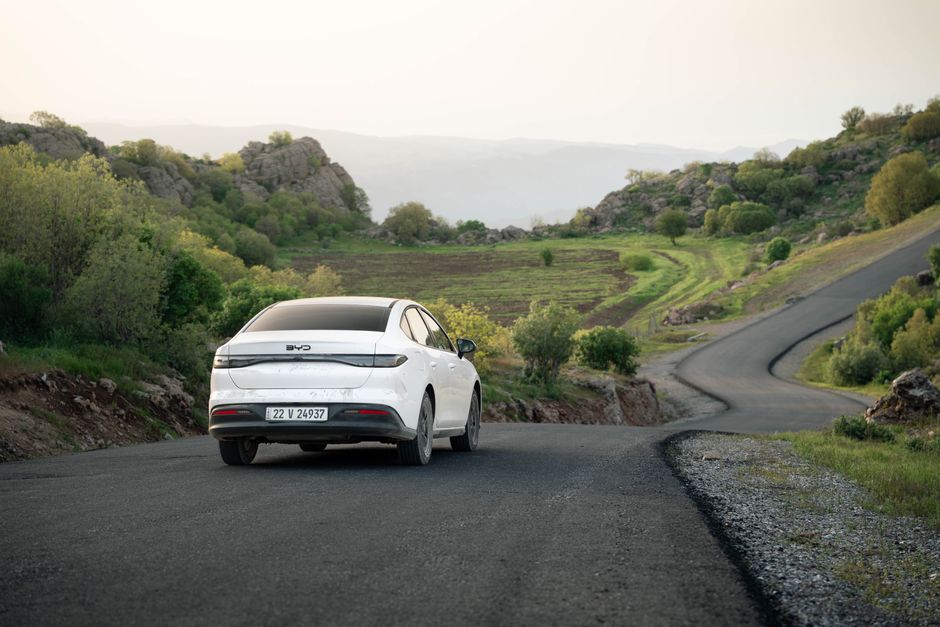
BYD has launched the Racco, an electric mini car known as a kei car, in Japan. This entry into the Japanese passenger car market follows the company's initial sales start in 2023.
The Racco’s suggested starting price is 1.95 million yen (approximately $12,000) before taxes and incentives. This figure places the starting price below the list price of the Nissan Sakura, which is currently Japan's best-selling electric mini car.
After government incentives are applied, however, the Nissan Sakura can be cheaper than the Racco. The expected consumer cost of the Racco after taxes and subsidies remains below 2 million yen, a psychological threshold in the Japanese auto market.
Tachibana Securities analyst Hiroki Ihara stated that the Racco is aimed at gaining market presence rather than short-term profit. BYD aims to receive 10,000 orders for the Racco by the end of 2026.
Challenges in the Kei Car Market
The Racco is a kei-class small and light vehicle. Kei cars account for approximately one-third of car sales in Japan, but the market is dominated by Honda, Suzuki, Daihatsu, and Nissan.
Foreign brands face difficulty entering the kei car market due to regulations and consumer habits. The Japanese auto market is considered one of the most difficult for foreign manufacturers.
BYD's total vehicle sales in Japan by the end of 2025 is just over 7,400. Reaching the 10,000 order target for the Racco, if achieved, would exceed BYD's total sales in Japan over three years.
Strategic Implications
BYD's entry with a Japan-specific model is more significant than a normal product launch. The company's pricing policy shows that it is transferring its low-cost production model from China to Japan.
Chinese manufacturers are now bringing competition to the home market of Japanese brands. Japanese automakers have suffered significant sales losses in China to BYD and other Chinese EV brands in recent years.
If the Racco succeeds, Honda, Suzuki, and Nissan may accelerate their electric mini car investments and price competition. If the Racco fails, it will reinforce the view that Japan is one of the hardest markets for foreign car brands to crack.
The competition for the Racco will not be limited to price; local incentives, service network, resale value, and brand loyalty will also be decisive.
Japanese consumers show strong interest in hybrid vehicles, while the transition to pure electric vehicles is slower. The share of electric vehicles in total car sales in Japan is low compared to major markets.
BYD's Racco focuses on the kei class rather than the general EV market. Whether BYD challenges Toyota or other established manufacturers like Honda, Suzuki, Daihatsu, and Nissan in Japan's home market remains a point of debate.