Invasive mold infections may be far more common than doctors have previously believed, according to a new study published by the US Centers for Disease Control and Prevention (CDC). The research, which analyzed cases in the Atlanta area between 2020 and 2024, identified about 450 confirmed instances of invasive mold disease among hospitalized patients.
Hospitalized patients diagnosed with invasive mold disease die from it, according to the CDC study.
Researchers reviewed nearly 1,000 possible cases and confirmed about 450 met the criteria for invasive mold disease. The study, published by the CDC, is described by Dr. Jeremy Gold, the senior author, as "kind of the first time we've had an estimate like this." He warned that the threat could grow due to climate change and an aging population.
It's kind of the first time we've had an estimate like this.
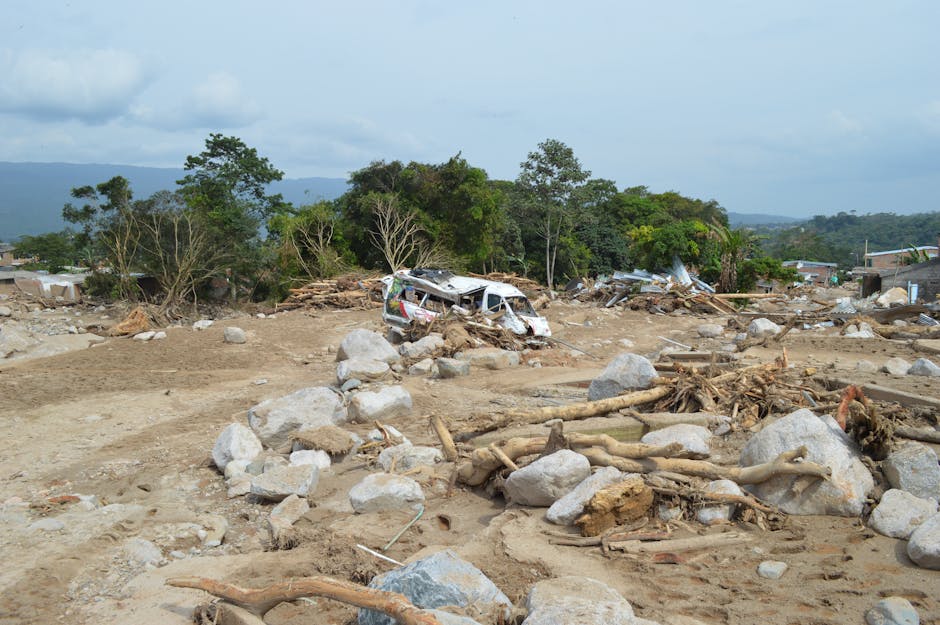
Experts say hurricanes, flooding and other extreme weather events can increase exposure to dangerous mold. Older adults and people with weakened immune systems are especially vulnerable to serious mold infections. The study found that hospitals could expect about three to five cases per year for every 100 inpatient beds, with larger academic medical centers seeing the highest rates. Many of the patients had weakened immune systems or were recovering from COVID-19.
Invasive mold disease is caused by certain types of mold that enter the body through inhaled spores, open wounds, or contaminated medical equipment. The CDC has previously estimated that such infections are linked to more than 15,000 hospitalizations in the US each year. However, there are currently no aggregated global estimates of fungal disease incidence and mortality. A 2024 Lancet study estimated a global burden of 6.5 million invasive fungal infections and 3.8 million deaths annually.
I agree that the frequency of fungal infections will likely increase with climate change.
Dr. Jeffrey Jenks called the research "valuable" but said similar studies in other parts of the country will be needed. The study's findings could help hospitals recognize whether their case numbers are typical or could signal a larger problem. At the European level, invasive fungal infections are not subject to EU-wide mandatory reporting; surveillance relies on national programmes, according to reports.