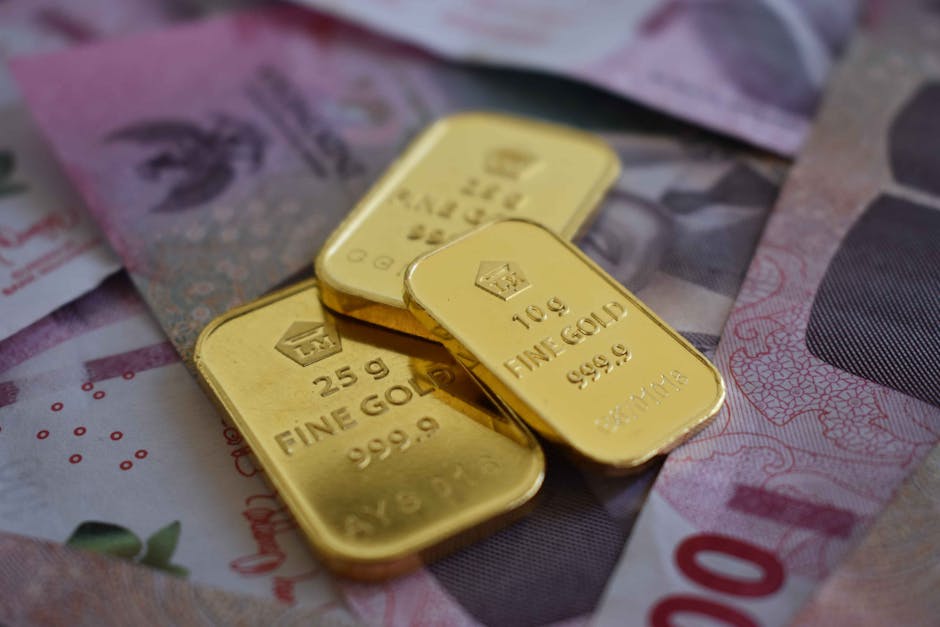
Gold steadied after escalating US-Iran clashes over the weekend were followed by reports of mediation efforts. The precious metal climbed above $4,100 as Middle East tensions underpinned prices, though it later held above $4,000 despite continued violence.
Prices first dropped to around $3,960 before rallying to $4,041. Gold is now trading in the $4,014 area. With increased tensions pushing oil higher, gold faces some pressure. The metal is currently moving in a sideways structure around $4,009–$4,012.
The latest gold price is around $4,011.73 per ounce, down 0.13% on the day, down 4.29% over the past month, but still 18.03% higher than a year ago. Gold nears a two-week high as the Fed outlook and Middle East conflict stay in focus.
Reports indicate the US has completed 10 consecutive nights of strikes against Iran, though some sources say 11 or 12. US President Donald Trump warned that attacks will intensify if Iran attempts to rebuild its nuclear infrastructure. Iran continues targeting US military assets across the Gulf while attacks on shipping through the Strait of Hormuz persist.
The Houthis have announced a naval blockade against Saudi Arabia. Brent crude remains near multi-week highs. Markets are pricing roughly an 88% probability of at least one Fed rate hike before year-end, though estimates vary from 83% to over 90%.
Gold showed a slight bullish signal, rebounding from around $4,000 during yesterday’s US session as US-Iran tensions showed signs of cooling down, with mediators proposing a 10-day ceasefire to revive the deal. Consecutive US military strikes combined with statements from Tehran that the previous ceasefire agreement has virtually collapsed.
Gold rises above $4,000 as traders track Middle East tensions and Fed rate outlook. US Secretary of State Marco Rubio publicly stated that Washington remains open to diplomatic negotiations with Tehran. The White House confirmed airstrikes for the 10th consecutive night on Iranian territory, while Tehran retaliated instantly, targeting US bases throughout the Gulf.
The Houthi group in Yemen officially announced a naval blockade on ships heading to Saudi Arabia. The dual closure of the Strait of Hormuz and the Red Sea has kept crude oil prices firmly at a standstill. Based on CME Group FedWatch data, institutional traders are now locking in an 83% probability that the Fed will raise its benchmark rate by 25 basis points before the close of 2026.