Prof. Dr. Mehmet Gökoğlu, a lecturer at Akdeniz University Faculty of Fisheries, stated that clear water has not been encountered at Konyaaltı Beach this year. He attributed the lack of clarity to land-sourced pollution and the absence of the northerly wind, known as poyraz, source:1, source:6.
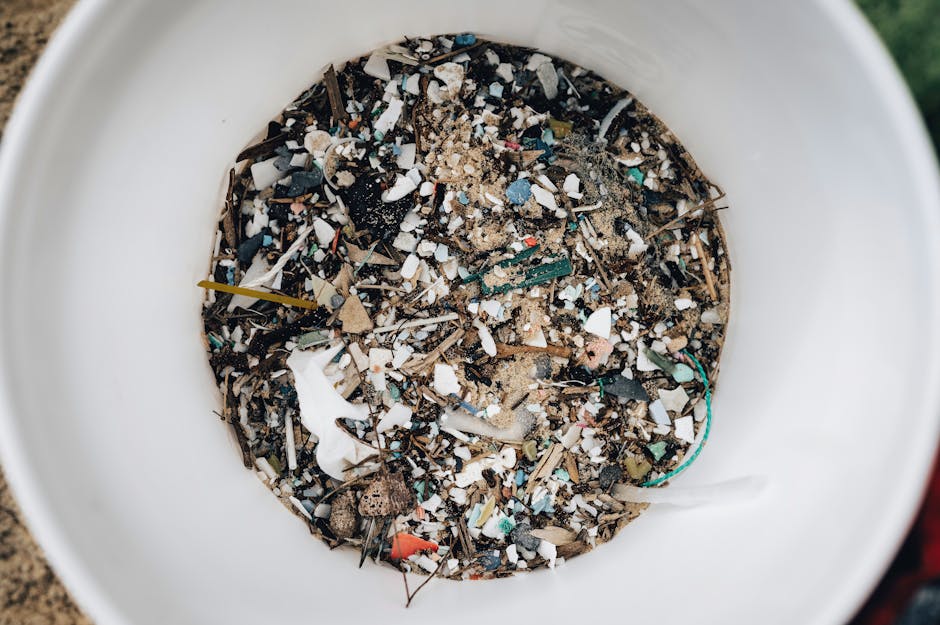
The particles observed on the sea surface, which resemble dust to citizens, are microplastics, according to Prof. Dr. Mehmet Gökoğlu, source:2. These microplastics are mostly found in the coastal strip where waves are effective, source:7.
These are plastics, microplastics and plastic particles
— Prof. Dr. Mehmet Gökoğlu
Impact on marine ecosystems
Plastic waste reaches the sea through streams and rivers, source:5. High human population density along the coast from Gazipaşa to Kaş in Antalya leads to a large amount of waste reaching the sea, source:8. During the summer, according to Prof. Dr. Mehmet Gökoğlu, increases in population lead to the frequent sight of plastic waste such as PET bottles, plastic cups, wet wipes, and tissues on the coasts, source:9.
Water sports performed on the cliffs, such as Stand Up Paddleboarding (SUP), contribute to waste reaching the sea, source:10. Marine life is affected as microplastics accumulate on and within their bodies, source:11. Plastic waste also covers Posidonia seagrass meadows, preventing them from photosynthesizing and producing oxygen, source:16.
The presence of plastics causes various biological issues: plastics block the digestive systems of marine animals, source:14; plastic waste accumulates in birds and reaches the stomachs of fish, source:13; and sea turtles, specifically Caretta caretta, swallow white plastics like bags after mistaking them for jellyfish, source:12.
On the seabed, large plastics cover marine habitats, preventing them from receiving oxygen and causing death, source:15.
Risks to human health
Microplastics carry microorganisms on them, source:3. According to Prof. Dr. Mehmet Gökoğlu, microplastics pose a risk—especially for children, the elderly, and non-swimmers—if swallowed or if they come into contact with the mouth, source:4.
The last place pollution will reach is waters, therefore seas.
— Prof. Dr. Mehmet Gökoğlu
There is no other Turkey.
— Prof. Dr. Mehmet Gökoğlu
Updates
Following the initial warnings, the Turkish Ministry of Environment, Urbanization and Climate Change has launched serial inspections across the Mediterranean region, resulting in 47,599,000 TL in administrative fines issued to 23 facilities in Adana, Antalya, Hatay, Mersin, and Muğla. As part of this process, 39 inspections have been carried out since July 27 among 142 high-potential polluting facilities, including waste recycling plants and wastewater treatment centers. Additionally, a single source reports that the ASKİ Seyhan Wastewater Treatment Plant was among seven businesses fined 20,732,000 TL for environmental violations, including discharging untreated wastewater.
Following the pollution concerns, the Turkish Ministry of Environment, Urbanization and Climate Change launched serial inspections on July 1, resulting in 47,599,000 TL in administrative fines being issued to 23 facilities across Adana, Antalya, Hatay, Mersin, and Muğla. The inspection process has included 39 completed checks since July 27, targeting 142 high-potential polluting facilities including waste recycling plants and wastewater treatment centers. Notably, at the Seyhan Wastewater Treatment Plant in Adana, inspections revealed that some wastewater was being discharged without undergoing the necessary treatment process.
Following the pollution allegations, the Turkish Ministry of Environment, Urbanization and Climate Change launched serial inspections on July 1, resulting in 47,599,000 TL in administrative fines imposed on 23 facilities across Adana, Antalya, Hatay, Mersin, and Muğla. Inspection teams have also expanded controls to waste recycling facilities and wastewater treatment plants in Adana and Mersin, targeting 142 high-potential polluting facilities with 39 inspections completed since July 27.
Following the initial report, the Turkish Ministry of Environment, Urbanization and Climate Change has imposed 47.6 million TL in administrative fines on 23 facilities across five Mediterranean provinces for microplastic pollution, with 39 inspections completed since July 27 among 142 high-risk sites; inspections at wastewater plants in Adana and Mersin revealed unauthorized discharge at Seyhan Treatment Plant, triggering a 20.7 million TL fine against seven violators, including the plant itself.
Following the initial report, the Turkish Ministry of Environment, Urbanization and Climate Change has imposed 47.6 million TL in administrative fines on 23 facilities across five Mediterranean provinces for microplastic pollution, with 39 inspections completed since July 27 among 142 high-risk sites; controls revealed unauthorized wastewater discharge at Adana’s Seyhan Treatment Plant, contributing to a total of 20.7 million TL in fines against seven violators, while Prof. Dr. Mehmet Gökoğlu confirmed microplastics remain visibly present on Konyaaltı Beach’s surface and noted no clear water has been observed there this year.
Following the initial report, the Turkish Ministry of Environment, Urbanization and Climate Change has imposed 47.6 million TL in administrative fines on 23 facilities across five Mediterranean provinces for microplastic pollution, with 39 inspections completed since July 27 among 142 high-risk sites; new data from Çukurova University reveals microplastic levels in Alanya reach 60–65 times the Mediterranean average, with 1.5–2 billion microplastics hourly entering the sea via illegal discharges in Adana, while Alanya’s mayor warned that unchecked pollution threatens the region’s $17 billion tourism revenue.
Following the initial report, the Turkish Ministry of Environment, Urbanization and Climate Change imposed 47.6 million TL in fines on 23 facilities across five provinces for microplastic pollution, launched inspections at 142 high-risk sites—with 39 already conducted—and confirmed illegal wastewater discharges at Adana’s Seyhan Treatment Plant, while Çukurova University researchers revealed microplastic levels in Alanya reach 60–65 times the Mediterranean average, with up to 93% of findings traced to plastic recycling facilities, and estimated 1.5–2 billion microplastics hourly enter the sea via illegal Adana discharges.
Following the initial report, the Turkish Ministry of Environment, Urbanization and Climate Change has imposed 47.6 million TL in administrative fines on 23 facilities across five provinces for microplastic pollution, with 39 inspections completed since July 27 and 142 high-risk sites targeted; new data from Çukurova University reveals microplastic levels in Alanya reach 60–65 times the Mediterranean average, with up to 93% originating from recycling facilities, and an estimated 1.5–2 billion microplastics hourly enter the sea via illegal discharges in Adana, while Alanya’s mayor warned that unchecked pollution threatens the region’s $17 billion tourism revenue.
Following the initial report, the Turkish Ministry of Environment, Urbanization and Climate Change has imposed 47.6 million TL in fines on 23 facilities across five provinces for microplastic pollution, with 39 inspections completed since July 27 and controls expanded to waste recycling and wastewater plants in Adana and Mersin; among these, the Seyhan Wastewater Treatment Plant was found discharging untreated wastewater, contributing to a total of 20.7 million TL in fines against seven violators, while new data from Çukurova University reveals microplastic levels in Alanya reach 60–65 times the Mediterranean average, with an estimated 1.5–2 billion microplastics entering the sea hourly via違
Following the initial report, the Turkish Ministry of Environment, Urbanization and Climate Change imposed 47.6 million TL in fines on 23 facilities across five provinces for microplastic pollution, with 39 inspections completed since July 27 and 142 high-risk sites targeted; new data from Çukurova University reveals microplastic levels in Alanya reach 60–65 times the Mediterranean average, with 1.5–2 billion microplastics hourly entering the sea via illegal discharges in Adana, while Alanya’s mayor warned that unchecked pollution threatens the region’s $17 billion tourism industry.
Following the initial report, the Turkish Ministry of Environment, Urbanization and Climate Change imposed 47.6 million TL in fines on 23 facilities across five provinces for microplastic pollution, with 39 inspections completed since July 27 and 142 high-risk sites under monitoring; inspections revealed illegal wastewater discharge at Adana’s Seyhan plant, triggering a 5.87 million TL fine, while researchers from Çukurova University found microplastic concentrations in Alanya up to 65 times above Mediterranean averages, with 60–93% of particles traced to recycling facilities and an estimated 1.5–2 billion microplastics entering the sea hourly via illegal discharges in Adana.
Following the initial report, the Turkish Ministry of Environment, Urbanization and Climate Change imposed 47.6 million TL in fines on 23 facilities across five Mediterranean provinces for microplastic pollution, with 39 inspections completed since July 27 and controls expanded to waste recycling and wastewater plants in Adana and Mersin; new data from Çukurova University reveals microplastic levels in Alanya reach 60–65 times the Mediterranean average, with up to 93% originating from improperly managed recycling facilities, and an estimated 1.5–2 billion microplastics hourly enter the sea via illegal discharges in Adana, while Alanya’s mayor warned that unchecked pollution threatens the 17B
Following the initial report, the Turkish Ministry of Environment, Urbanization and Climate Change has imposed 47.6 million TL in administrative fines on 23 facilities across five Mediterranean provinces for microplastic pollution, with 39 inspections completed since July 27 among 142 high-risk sites; inspections revealed illegal wastewater discharge at Adana’s Seyhan Treatment Plant, resulting in 5.87 million TL in fines for repeat violations, while researchers from Çukurova University found microplastic levels in Alanya up to 65 times above Mediterranean averages, with 60–93% of particles traced to plastic recycling facilities and an estimated 1.5–2 billion microplastics entering the sea每时
Following the initial report, the Turkish Ministry of Environment, Urbanization and Climate Change imposed 47.6 million TL in administrative fines on 23 facilities across five Mediterranean provinces for microplastic pollution, with 39 inspections completed since July 27 and 142 high-risk sites targeted; inspections revealed illegal wastewater discharge at Adana’s Seyhan Treatment Plant, resulting in 5.87 million TL in fines for repeated violations, while new data from Çukurova University shows microplastic levels in Alanya reach 60–65 times the Mediterranean average, with 1.5–2 billion microplastics hourly entering the sea via illegal Adana discharges, and 60–93% of sampled particles traced
Following the initial report, the Turkish Ministry of Environment, Urbanization and Climate Change imposed 47.6 million TL in administrative fines on 23 facilities across five Mediterranean provinces for microplastic pollution, with 39 inspections completed since July 27 and 142 high-risk sites targeted; additionally, inspections revealed illegal wastewater discharge at Adana’s Seyhan Treatment Plant, triggering a 5.87 million TL fine, while researchers from Çukurova University found microplastic levels in Alanya up to 65 times above Mediterranean averages, with 60–93% of particles traced to recycling facilities and an estimated 1.5–2 billion microplastics entering the sea hourly via illegal
Following the initial report, the Turkish Ministry of Environment, Urbanization and Climate Change imposed 47.6 million TL in fines on 23 facilities across five Mediterranean provinces for microplastic pollution, with 39 inspections completed since July 27 and 142 high-risk sites targeted; new findings from Çukurova University reveal microplastic levels in Alanya reach 60–65 times the Mediterranean average, with 60–93% of particles traced to recycling facilities, and an estimated 1.5–2 billion microplastics hourly enter the sea via illegal discharges in Adana, while Alanya’s mayor warned that unchecked pollution threatens the region’s $17 billion tourism revenue.
Following the initial report, the Turkish Ministry of Environment, Urbanization and Climate Change imposed 47.6 million TL in fines on 23 facilities across five Mediterranean provinces for microplastic pollution, with 39 inspections completed since July 27 and 142 high-risk sites targeted; new findings by Çukurova University’s Prof. Dr. Sedat Gündoğdu revealed microplastic levels in Alanya reach 60–65 times the Mediterranean average, with 60–93% of particles originating from plastic recycling facilities, and an estimated 1.5–2 billion microplastics hourly entering the sea via illegal discharges in Adana, while Alanya’s mayor warned that unchecked pollution threatens the region’s $17 billion
Following the initial report, the Turkish Ministry of Environment, Urbanization and Climate Change has imposed 47.6 million TL in administrative fines on 23 facilities across five provinces for microplastic pollution, with 39 inspections completed since July 27 and 142 high-risk sites under active monitoring; new data from Çukurova University reveals microplastic levels in Alanya reach 60–65 times the Mediterranean average, with 60–93% of findings traced to plastic recycling facilities, and an estimated 1.5–2 billion microplastics hourly enter the sea via illegal discharges in Adana, while Alanya’s mayor warned that unchecked pollution threatens the region’s $17 billion tourism revenue.