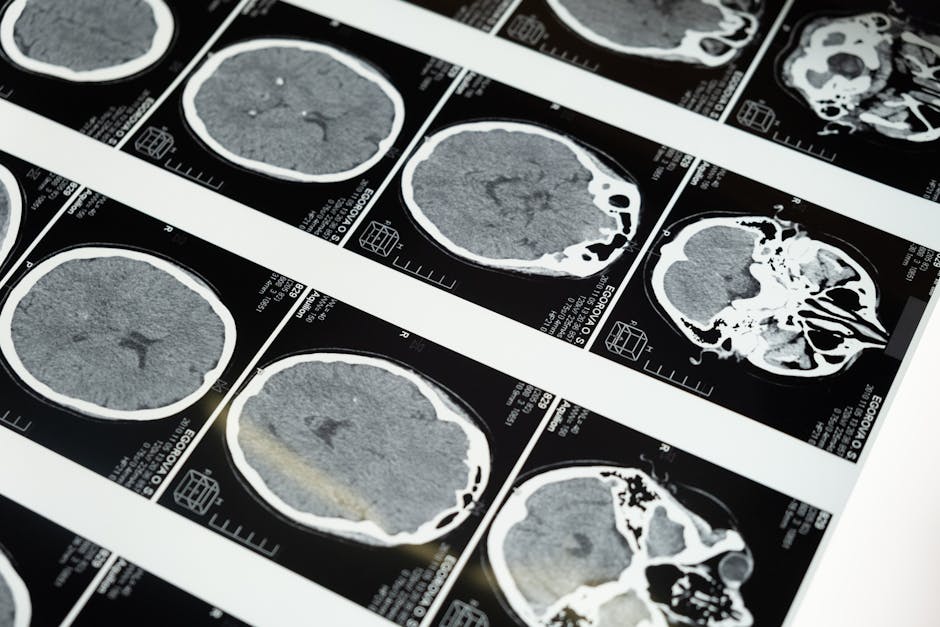
A study by researchers at Lund University suggests that focusing on vascular and metabolic risk factors could help delay the onset of dementia. The findings, based on a four-year study of nearly 500 participants, indicate that managing modifiable risks like smoking, high blood pressure, and high blood lipids may reduce the combined effects of several brain changes that occur simultaneously, including vascular damage and Alzheimer's-related changes.
The long-term brain study involved almost 500 participants with an average age of 65 who showed no signs of cognitive impairment. Over four years, researchers tracked brain changes, measuring white matter, amyloid β, and tau. They found that smoking, cardiovascular disease, high blood lipids, and high blood pressure were associated with damage to the brain's blood vessels and a faster accumulation of white matter changes.
Isabelle Glans, doctoral student at Lund University and a resident in neurology at Skåne University Hospital, noted that most modifiable risk factors, including smoking, cardiovascular disease, high blood lipids, and high blood pressure, were linked to vascular brain damage and accelerated white matter changes.
The study also found that diabetes was associated with increased accumulation of amyloid β, a protein linked to Alzheimer's disease, while individuals with lower BMI had faster accumulation of tau, another Alzheimer's-related protein. However, these associations require further investigation and validation, according to the researchers.
Sebastian Palmqvist, senior lecturer in neurology at Lund University and senior physician at the Memory Clinic at Skåne University Hospital, stated that much of the existing research on modifiable risk factors does not account for the different causes of dementia, limiting knowledge of how individual risks affect the underlying brain disease mechanisms. He added that improving vascular health remains beneficial even for those at risk of Alzheimer's.
The study emphasizes that dementia is not a single disease but a collection of symptoms resulting from several different disorders, so risks may vary depending on the underlying cause. White matter damage, often associated with vascular dementia, was a key focus. Additionally, non-modifiable factors such as age, gender, and genetics partly shape a person's dementia risk, while modifiable factors include smoking, physical activity, alcohol consumption, hearing loss, and high blood pressure.