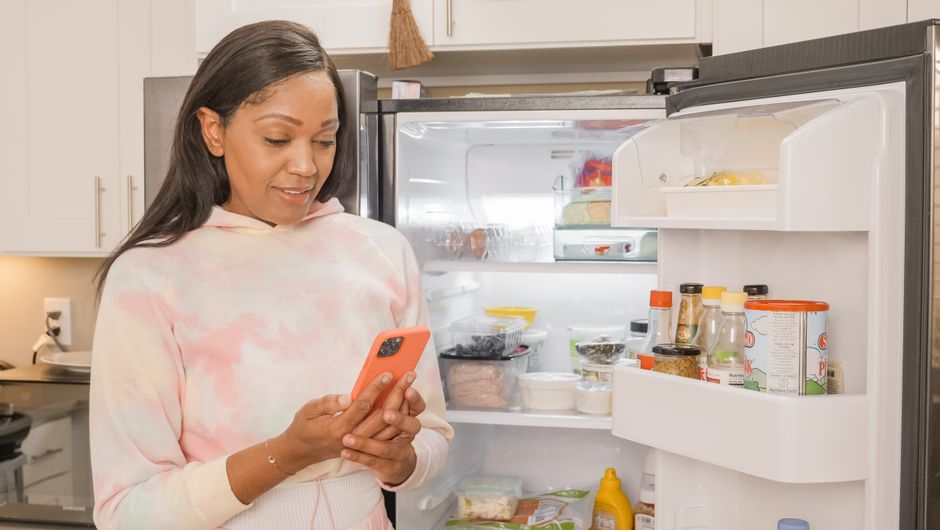
Social media posts on platforms such as TikTok and Instagram Reels advise iPhone owners to refrigerate devices that have overheated.
Refrigerating an overheated iPhone can cause more damage than the heat itself due to internal moisture damage. Putting the device in a refrigerator or freezer causes humidity to precipitate, leading to moisture collecting on sensitive electronic components.
Rapid cooling of a smartphone can damage lithium batteries. Damage to a smartphone's battery and electrical components from moisture or rapid cooling can range from reduced battery life to swollen or exploding batteries.
Repair incidents and device vulnerability
Jamie Farnell, a repair shop owner in Wem, England, reported an increase in heat-related repairs. He reported seeing phones with swollen batteries and an iPad that exploded under his care.
While Apple markets the iPhone as being highly water-resistant, the device is not completely dry inside. Additionally, water resistance ratings of iPhones can drop over time.
If the outside temperature is 85 degrees, the interior of a car can reach over 115 degrees in under 30 minutes.
Recommended cooling methods
Manufacturers such as Apple and Samsung recommend letting a phone cool down slowly in a shaded area instead of using a refrigerator. To limit heat development, users can activate power saving mode, end intensive applications, or turn the device off completely.
Removing a protective case can help a device cool down, as the case can act as an insulating layer that traps heat.
Place it outside direct sunlight, do not touch it, and let it rest.