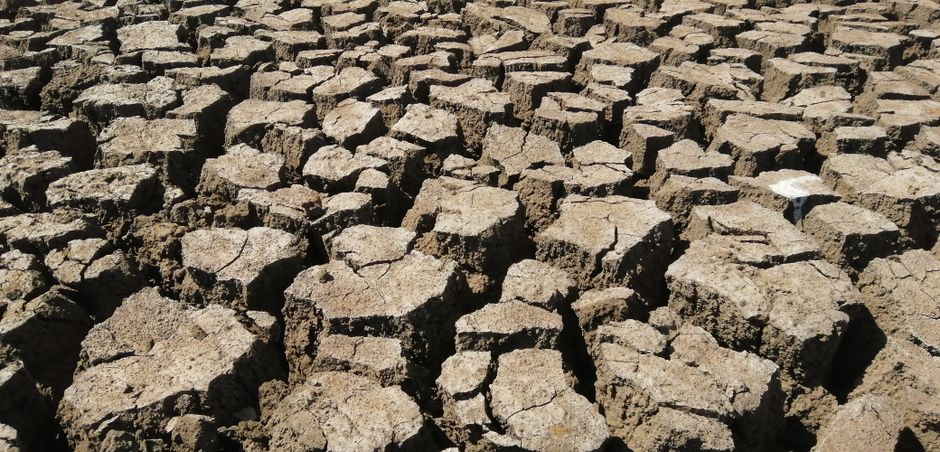
The United Nations has described the onset of an 'era of global water bankruptcy.' The term is used to emphasize that current water issues are becoming irreversible, distinguishing the situation from a standard water crisis.
Water covers three quarters of the Earth's surface and serves as the origin of all life. However, scarcity is increasing in the Mediterranean region, the Middle East, Southeast Asia, and the USA. In desert cities such as Las Vegas, projections suggest they could be dried out in 20 years.
Climatic drivers and ecological impact
Rising temperatures lead to higher levels of water in the atmosphere, which provokes extreme events including storms, floods, and heatwaves. Scientific analysis shows that hotter air dries out soils. Additionally, it is suggested that oceans absorbing large amounts of CO2 from the atmosphere causes greenhouse gas to dissolve in water as carbonic acid, which lowers the ocean's pH value.
Patterns of drought are shifting; while Cape Town narrowly avoided a water crisis due to strict saving measures and last-minute rainfall, the broader trend remains a concern.
Perspectives from Mojib Latif
Mojib Latif, a Pakistani-origin meteorologist, climate, and ocean researcher trained in Hamburg and a professor at the University of Kiel and the Geomar Helmholtz Centre for Ocean Research, has published his seventeenth book, 'Wasser – das bedrohte Element' (Water – the threatened element).
These conferences are gradually degenerating into a farce.
Latif described international climate and environmental activist tourism as a 'farce,' arguing that delegates use the massive effort of traveling from nearly 200 countries to justify their presence at conferences. He also stated that technical solutions alone are insufficient to combat water scarcity and environmental destruction.
Regarding political and social challenges, Latif noted that the fossil industry maintains a strong influence on politics in the USA. He also expressed the belief that people in Germany do not want changes, attributing this to a high level of prosperity and the fear of losing it. This occurs alongside predictions that more than half of Germany's electricity demand will be met by renewable energies in 2025.