Western Europe experienced its hottest June–July period on record, according to the World Meteorological Organization (WMO) and the European Copernicus service. The two organizations both reported the region's warmest start to summer ever measured.
WMO spokesperson Clare Nullis said July was the joint second-warmest July globally, with average surface air temperatures 1.47°C (2.6°F) above the estimated pre-industrial level. She added that sea-surface temperatures were the highest ever recorded for July.
The heat pattern reflects the combined effects of long-term warming and pressure systems.
Average temperature in Western Europe over June–July, surpassing the previous record set in 2022.
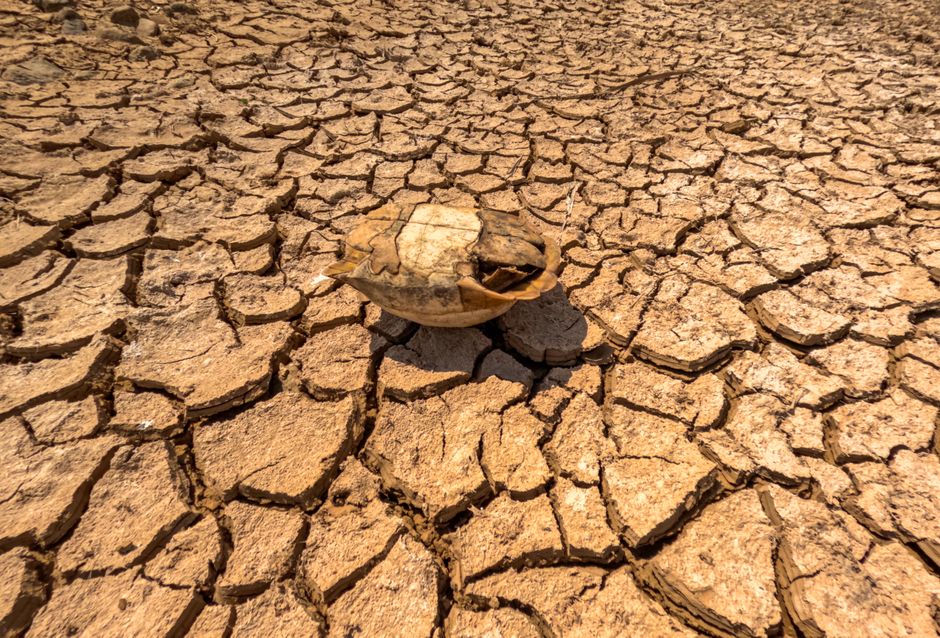
Some Western European countries are facing their fourth heat wave of the summer, said WMO spokesperson Clare Nullis. Prolonged drought is affecting agriculture, river levels, transport and energy in the region and increasing wildfire risks, she added.
National weather services have issued warnings for the coming days. Meteo-France expects temperatures above 35°C in much of France later this week, MeteoSwiss has issued a Level 3 alert for temperatures exceeding 35°C, and parts of southern England could reach 36°C by Thursday, according to the UK Met Office.
The extreme heat is part of a broader pattern. WMO climate information chief John Kennedy warned that extreme heat is becoming more frequent, more intense, longer-lasting and more widespread.
The World Health Organization (WHO) also highlighted the health risks. Spokesperson Tarik Jasarevic told reporters that wildfire smoke poses a major public health threat, particularly because of fine particulate matter.
Exposure to wildfire smoke is associated with premature deaths and can cause or worsen diseases affecting the lungs, heart, brain and nervous system, skin, kidneys, eyes and other organs, Jasarevic said. Firefighters and emergency workers face particular risks from burns, injuries and heavy smoke exposure, while children, older adults, pregnant women and those with chronic illnesses are especially vulnerable.
The WMO said extreme heat, drought and wildfires continued to affect large parts of the Northern Hemisphere. The previous hottest June–July period for Western Europe was set in 2022.