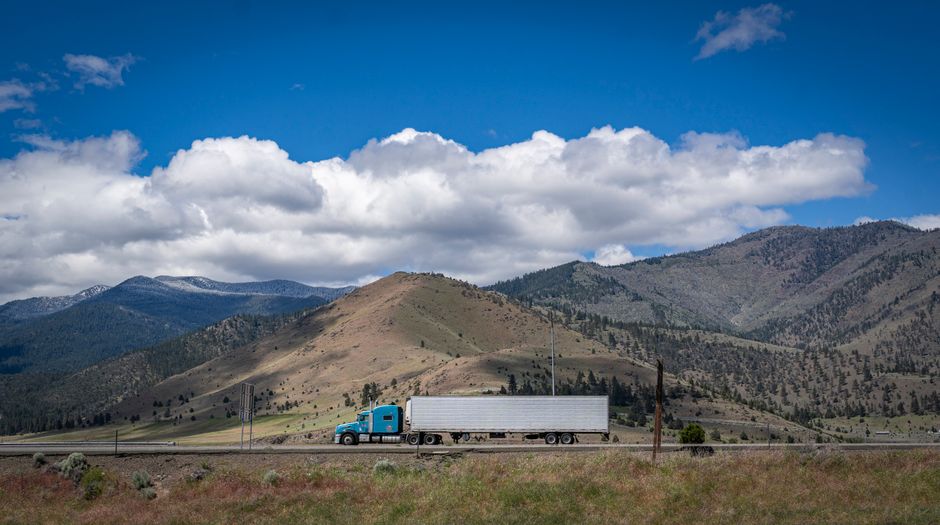
Persistent low water levels in the Rhine are forcing some companies to cut production, slowing the economy in Germany.
A complete shift of deliveries to road transport is hardly possible, according to industry sources.
Because of persistent low water on the Rhine and other rivers, additional German states are suspending the Sunday and public holiday driving ban for trucks.
German Federal Transport Minister Bilger wants to discuss further measures with the federal states' department heads tomorrow.
Markus Wolf, State Secretary at the Transport Ministry of the German state of Rhineland-Palatinate, said: "We must counteract and have done so by lifting the Sunday driving ban."
Updates
Following the initial relaxation in four states, Schleswig-Holstein has now temporarily suspended its Sunday and public holiday truck driving ban until August 31, while Baden-Württemberg, Bavaria, and Mecklenburg-Vorpommern plan to implement similar measures starting the coming weekend; in contrast, Saxony has rejected a broad exemption, opting instead for case-by-case permits, as federal authorities urge all states to adopt exceptions amid growing criticism from environmental and labor groups over the strain on drivers, road infrastructure, and climate goals.
Following the initial relaxation in four states, Schleswig-Holstein has now temporarily suspended its Sunday and public holiday truck driving ban until August 31, while Baden-Württemberg, Bavaria, and Mecklenburg-Vorpommern plan to implement similar exceptions starting next weekend; Saxony, however, rejects a broad relaxation, offering only case-by-case permits, as the Federal Ministry of Transport urges all states to adopt exceptions amid growing concerns from unions and environmental groups over capacity shortages, driver conditions, and climate impacts.
Following the initial relaxation in four states, Schleswig-Holstein has now temporarily suspended its Sunday and public holiday truck driving ban until August 31, while Baden-Württemberg, Bavaria, and Mecklenburg-Vorpommern plan to follow suit next weekend; Saxony, however, rejects a general exemption, opting instead for case-by-case permits, as federal authorities urge all states to adopt exceptions amid warnings from logistics groups and environmental organizations that the measure cannot compensate for the Rhine’s 25% freight capacity loss — equivalent to 120,000 additional truck loads — and risks worsening traffic, climate impact, and driver conditions.
Following the initial relaxation in four states, Schleswig-Holstein has now temporarily suspended its Sunday and public holiday truck driving ban until August 31, while Baden-Württemberg, Bavaria, and Mecklenburg-Vorpommern plan to implement similar exceptions starting next weekend; in contrast, Saxony rejects a general relaxation, permitting only case-by-case exceptions, as federal authorities urge all states to adopt exception rules amid warnings from logistics groups and environmental organizations that the measure offers only marginal relief and exacerbates climate and labor concerns.
Following the initial relaxation in four states, Schleswig-Holstein has now temporarily suspended its Sunday and public holiday truck driving ban until August 31, while Baden-Württemberg, Bavaria, and Mecklenburg-Vorpommern plan to implement similar exceptions starting next weekend; Saxony, however, rejects a broad exemption, offering only case-by-case permits, as federal authorities urge all states to adopt exceptions amid growing criticism from environmental and labor groups over the strain on drivers, infrastructure, and climate goals.
Following the initial relaxation in four states, Schleswig-Holstein has now temporarily suspended its Sunday and public holiday truck driving ban until August 31, while Baden-Württemberg, Bavaria, and Mecklenburg-Vorpommern plan to implement similar measures starting the coming weekend; Saxony, however, rejects a general exemption, opting instead for case-by-case permits, as the Federal Ministry of Transport urges all states to adopt exceptions amid growing concerns from unions and environmental groups over driver conditions and climate impacts.
Following the initial relaxation in four states, Schleswig-Holstein has now temporarily suspended its Sunday and public holiday truck driving ban until August 31, while Baden-Württemberg, Bavaria, and Mecklenburg-Vorpommern plan to implement similar exceptions starting next weekend; in contrast, Saxony rejects a general relaxation, permitting only case-by-case exemptions, as the Federal Ministry of Transport urges all states to adopt exception rules amid growing criticism from environmental and labor groups over the strain on road networks and drivers.
Following the initial relaxation in four states, Schleswig-Holstein has now temporarily suspended its Sunday and public holiday truck driving ban until August 31, while Baden-Württemberg, Bavaria, and Mecklenburg-Vorpommern plan to implement similar exceptions starting next weekend; Saxony, however, rejects a general relaxation, opting instead for case-by-case permits, as the Federal Ministry of Transport urges all states to adopt exceptions amid growing concerns from logistics groups and environmental organizations over capacity shortages and climate impacts.
Following the initial relaxation in four states, Schleswig-Holstein has now temporarily suspended its Sunday and public holiday truck driving ban until August 31, while Baden-Württemberg, Bavaria, and Mecklenburg-Vorpommern plan to follow suit starting next weekend; Saxony, however, rejects a broad exemption, offering only case-by-case permits, as federal authorities urge all states to act — a move criticized by environmental and labor groups who warn that replacing river freight with up to 120,000 additional truck loads is unsustainable and undermines driver rest rights.
Following the initial relaxation in four states, Schleswig-Holstein has now temporarily suspended its Sunday and public holiday truck driving ban until August 31, while Baden-Württemberg, Bavaria, and Mecklenburg-Vorpommern plan to implement similar measures starting the coming weekend; Saxony, however, rejects a broad exemption, opting instead for case-by-case permits, as the Federal Ministry of Transport urges all states to adopt exceptions amid growing concerns from logistics groups and environmental organizations over insufficient truck capacity and climate impacts.
Following the initial relaxation in four states, Schleswig-Holstein has now temporarily suspended its Sunday and public holiday truck driving ban until August 31, while Baden-Württemberg, Bavaria, and Mecklenburg-Vorpommern plan to implement similar measures starting next weekend; in contrast, Saxony has rejected a broad exemption, opting instead for case-by-case permits, as federal authorities continue urging all states to adopt exceptions amid warnings from logistics groups and environmental organizations that the move cannot compensate for the Rhine’s 25% freight capacity loss — requiring 80–120 trucks per inland vessel — and risks worsening driver conditions and climate impacts.
Schleswig-Holstein has joined North Rhine-Westphalia, Lower Saxony, Rhineland-Palatinate, and Saarland in temporarily suspending Sunday and public holiday truck bans, with the measure valid until August 31, according to unverified reports citing Transport State Secretary Susanne Henckel’s announcement in Kiel, while Baden-Württemberg, Bavaria, and Mecklenburg-Vorpommern plan to follow suit next weekend and Saxony rejects broad exemptions, opting instead for case-by-case permits.
Following the initial relaxation in four states, Baden-Württemberg, Berlin, Brandenburg, and Thuringia have now joined the measure—with Baden-Württemberg suspending its Sunday and holiday truck ban from the coming weekend until end-September, Berlin and Brandenburg permitting only goods-related truck traffic normally moved by inland vessels, and Thuringia fully lifting the ban until August 31 despite not bordering the Rhine; Schleswig-Holstein also suspended its Saturday driving ban and extended Sunday relief, while Hesse and Bavaria limited exemptions to trucks over 7.5 tonnes, and DB Cargo signaled it can add 400 freight wagons to ease pressure.
Following the initial relaxation in four states, Baden-Württemberg, Berlin, Brandenburg, and Thuringia have now joined, with Baden-Württemberg suspending its Sunday and holiday truck ban from the coming weekend until end-September, Berlin and Brandenburg permitting only goods-related truck traffic normally carried by inland vessels, and Thuringia fully lifting the ban until August 31 — despite criticism that it lacks geographic relevance to the Rhine crisis, while Schleswig-Holstein’s suspension, confirmed by Transport State Secretary Susanne Henckel, now includes Saturday restrictions on key routes like the A7, and DB Cargo has signaled it can deploy 400 additional freight wagons to ease压力.
Following the initial relaxation in four states, Baden-Württemberg, Berlin, Brandenburg, and Thuringia have now joined, with Baden-Württemberg suspending its Sunday and holiday truck ban from the coming weekend until end-September, Berlin and Brandenburg permitting only goods-related truck traffic normally carried by inland vessels, and Thuringia fully lifting the ban until August 31 — while Schleswig-Holstein’s suspension, confirmed by State Secretary Susanne Henckel, includes Saturday restrictions on the A7 and extends to August 31, and Hesse and Bavaria limit exemptions to trucks over 7.5 tonnes.
Following the initial relaxation in four states, Baden-Württemberg, Berlin, Brandenburg, and Thuringia have now joined, with Baden-Württemberg suspending its Sunday and holiday truck ban from the coming weekend until end-September, Berlin and Brandenburg limiting exemptions to goods typically moved by inland vessels, and Thuringia fully lifting the ban until August 31 — despite no direct Rhine connectivity, while Schleswig-Holstein’s suspension, confirmed by State Secretary Susanne Henckel, includes Saturday restrictions on key routes and extends to August 31, and Hesse and Bavaria restrict exemptions to trucks over 7.5 tonnes.
Baden-Württemberg, Berlin, Brandenburg, and Thuringia have now officially joined the states relaxing Sunday and holiday truck bans, with Baden-Württemberg’s suspension set to begin this weekend and last until end-September, while Berlin and Brandenburg limit exemptions to goods normally shipped via inland waterways, and Thuringia — despite lacking direct Rhine access — has fully lifted the ban until August 31; additionally, Schleswig-Holstein has suspended both Sunday and Saturday driving bans on key routes, and DB Cargo can deploy 400 extra freight wagons as part of the emergency response.
Following the initial relaxation in four states, Baden-Württemberg, Berlin, Brandenburg, and Thuringia have now joined in suspending Sunday and holiday truck bans — with Baden-Württemberg’s measure set to last until end-September, and Thuringia implementing a full, immediate lift until August 31, despite criticism that the state lacks key waterways; Schleswig-Holstein has also suspended its Sunday and Saturday driving bans on key routes, while Bavaria and Hesse limit exemptions to trucks over 7.5 tonnes, and federal officials are preparing further measures including flexible driving hours and potential CO2 tax pauses.