The Trump administration is set to impose a 15% tariff on polysilicon, according to sources.
15% tariff rate
Proposed duty on polysilicon imports
New trade restrictions targeting the material used in solar panel production
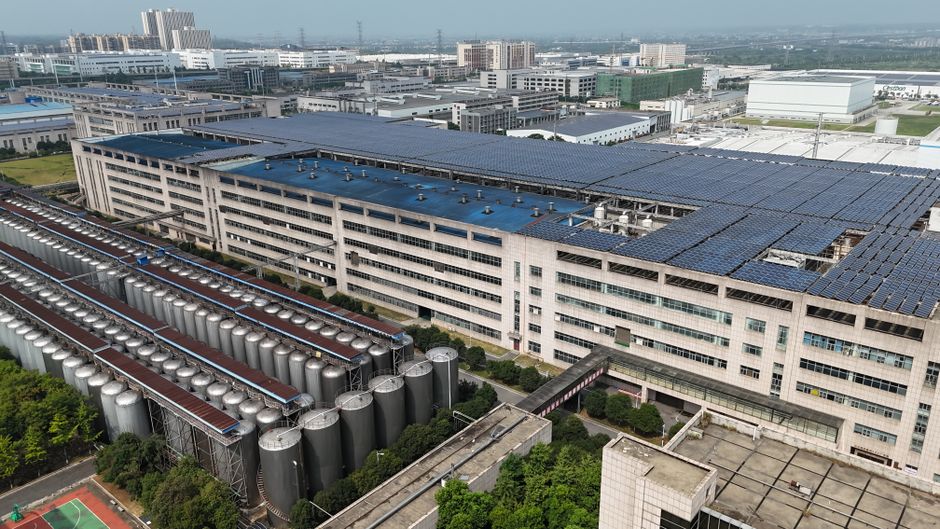 CHINA YU
The Trump administration is set to impose a 15% tariff on polysilicon, according to sources.
Proposed duty on polysilicon imports
The US government also intends to implement a series of minimum prices for polysilicon products alongside the planned 15 percent tariff on polysilicon derivatives. These measures aim to curb China's advancement in the solar and chip industries, though the Chinese Embassy in Washington has criticized the plans and called for an immediate halt through dialogue. Additionally, the potential tariffs and minimum prices could increase costs for chips and solar modules used in data centers and their power supplies.
The US government now plans to impose not only a 15% tariff on polysilicon but also minimum price controls on its derivatives, aiming to curb China’s dominance in solar and chip supply chains—a move criticized by the Chinese Embassy as counterproductive, while industry analysts like Craig Singleton argue such measures could protect US manufacturers and raise costs for data center infrastructure, with Wacker Chemie’s stock rising 6.5% on the news despite chips accounting for just 2.4% of global polysilicon demand.
The US government now plans to impose not only a 15% tariff on polysilicon but also minimum price controls on its derivatives, aiming to curb China’s dominance in solar and chip supply chains—measures criticized by the Chinese Embassy as unilateral, while industry analysts like Craig Singleton argue they are necessary to counter subsidized overcapacity and protect US manufacturers, potentially raising costs for chips and solar modules used in data centers.
US President Donald Trump signed a proclamation imposing a 15% tariff on polysilicon, set to take effect in 120 days, alongside a minimum import price (MIP) program aimed at blocking Chinese dumping and building a protected domestic market — a move the US Commerce Secretary framed as ensuring foundational supply chain security, while the Chinese Embassy called for immediate cessation and dialogue.
Following the initial announcement, President Trump formally signed a proclamation imposing a 15% tariff on polysilicon, set to take effect in 120 days, alongside a minimum import price (MIP) program aimed at blocking Chinese dumping and creating a protected domestic market — a move Commerce Secretary Lutnick framed as essential to rebuilding the U.S. supply chain, while the Chinese Embassy called for immediate cancellation and dialogue.
Following the initial announcement, President Trump formally signed a proclamation imposing a 15% tariff on polysilicon, effective after 120 days, alongside a new minimum import price (MIP) program designed to block Chinese dumping and protect domestic producers—measures justified under Section 232 of the 1962 Trade Expansion Act, with Commerce Secretary Lutnick stating the goal is to 'build it here' and secure a domestic supply chain for semiconductors and solar tech.
Following the initial announcement, President Trump formally signed a proclamation imposing a 15% tariff on polysilicon, set to take effect in 120 days, alongside a minimum import price (MIP) program designed to block Chinese dumping and create a protected domestic market—measures justified under Section 232 of the 1962 Trade Expansion Act, with Commerce Secretary Lutnick stating the goal is to 'build it here' and secure the semiconductor supply chain.
Following the initial announcement, President Trump signed a proclamation imposing a 15% tariff on polysilicon, effective after 120 days, alongside a minimum import price (MIP) program designed to block Chinese dumping and create a protected domestic market—measures justified under Section 232 of the 1962 Trade Expansion Act, with Commerce Secretary Lutnick stating the goal is to 'build it here' and secure the semiconductor supply chain.
The US government has now formally set minimum import prices at $21/kg for polysilicon, $100/kg for ingots and wafers, $0.22/W for solar cells, and $0.38/W for solar modules, alongside the 15% tariff announced in President Trump’s proclamation, which takes effect in 120 days; these measures, grounded in Section 232 of the 1962 Trade Expansion Act, aim to block Chinese market distortions and rebuild domestic supply chains, though China has condemned them as protectionist and retaliated by restricting exports of certain drones and components to the US.
The US government has now officially imposed a 15% tariff on polysilicon and established minimum import prices—$21/kg for polysilicon, $100/kg for ingots and wafers, $0.22/W for solar cells, and $0.38/W for modules—citing national security under Section 232, a move China condemned as protectionism that disrupts trade and harms US consumers, while the Commerce Secretary stated the measures aim to prevent dumping and rebuild domestic supply chains.
The US government has now officially imposed a 15% tariff on polysilicon and established minimum import prices—$21/kg for polysilicon, $100/kg for ingots and wafers, $0.22/W for solar cells, and $0.38/W for modules—citing national security under Section 232, after President Trump signed the proclamation; China responded by imposing stricter export controls on certain drones and components, while the Chinese Embassy condemned the move as an abuse of state power that disrupts trade.
The US government has now formally imposed a 15% tariff on polysilicon and established minimum import prices—$21/kg for polysilicon, $100/kg for ingots and wafers, $0.22/W for solar cells, and $0.38/W for modules—effective after 120 days, citing national security under Section 232 of the 1962 Trade Expansion Act, a move China condemned as protectionist and an abuse of state power, while US officials claim it will revive domestic production and counter Chinese subsidies and overcapacity.
The US government has now officially imposed a 15% tariff on polysilicon and established minimum import prices—$21/kg for polysilicon, $100/kg for ingots and wafers, $0.22/W for solar cells, and $0.38/W for modules—effective after 120 days, citing national security under Section 232, a move that China’s embassy condemned as an abuse of state power and disruption of trade, while US Commerce Secretary Lutnick declared the measures essential to rebuild domestic supply chains and prevent Chinese dumping.
The US government has now officially set minimum import prices at $21/kg for polysilicon, $100/kg for ingots and wafers, $0.22/W for solar cells, and $0.38/W for solar modules, alongside the previously announced 15% tariff — measures the Commerce Secretary said are designed to prevent Chinese dumping and rebuild domestic supply chains, while China’s Foreign Ministry condemned the move as an abuse of state power that disrupts trade and harms American consumers.
The US government has now formally imposed a 15% tariff on polysilicon and established minimum import prices—$21/kg for polysilicon, $100/kg for ingots and wafers, $0.22/W for solar cells, and $0.38/W for modules—effective after 120 days, citing national security under Section 232 of the 1962 Trade Expansion Act, a move China’s Foreign Ministry condemned as an abuse of state power that disrupts trade and harms American consumers.
The US government has now set specific minimum import prices for polysilicon at $21 per kilogram, $100 per kilogram for ingots and wafers, $0.22 per watt for solar cells, and $0.38 per watt for solar modules — figures not previously disclosed — alongside the 15% tariff, which President Trump signed into effect via executive order, with implementation delayed 120 days to allow for adjustment.
The US government has now officially set minimum import prices at $21 per kilogram for polysilicon, $100 per kilogram for ingots and wafers, $0.22 per watt for solar cells, and $0.38 per watt for solar modules — figures not previously disclosed — alongside the 15% tariff, which President Trump signed into effect via proclamation and will take hold after 120 days, with Commerce Secretary Lutnick stating the intent to prevent Chinese dumping and rebuild domestic supply chains.
The US government has now officially set minimum import prices at $21 per kilogram for polysilicon, $100 per kilogram for ingots and wafers, $0.22 per watt for solar cells, and $0.38 per watt for solar modules, alongside the previously announced 15% tariff — a move confirmed by presidential proclamation and scheduled to take effect on December 4, 2026, with Commerce Secretary Lutnick stating the goal is to prevent dumping and force domestic production, while China’s Foreign Ministry condemned the measures as protectionist and harmful to global trade.
The US government has now officially set minimum import prices at $21 per kg for polysilicon, $100 per kg for ingots and wafers, $0.22 per watt for solar cells, and $0.38 per watt for solar modules, alongside the previously announced 15% tariff — a move the Chinese Embassy called a serious disruption of trade and an abuse of state power, while US Commerce Secretary Lutnick framed it as essential to prevent dumping and rebuild domestic supply chains.
The US government has officially set minimum import prices at $21 per kg for polysilicon, $100 per kg for ingots and wafers, $0.22 per watt for solar cells, and $0.38 per watt for solar modules, alongside the previously announced 15% tariff, which will take effect on December 4 — measures the Chinese Embassy condemned as an abuse of state power, while US Commerce Secretary Lutnick framed them as essential to halt Chinese dumping and rebuild domestic supply chains.