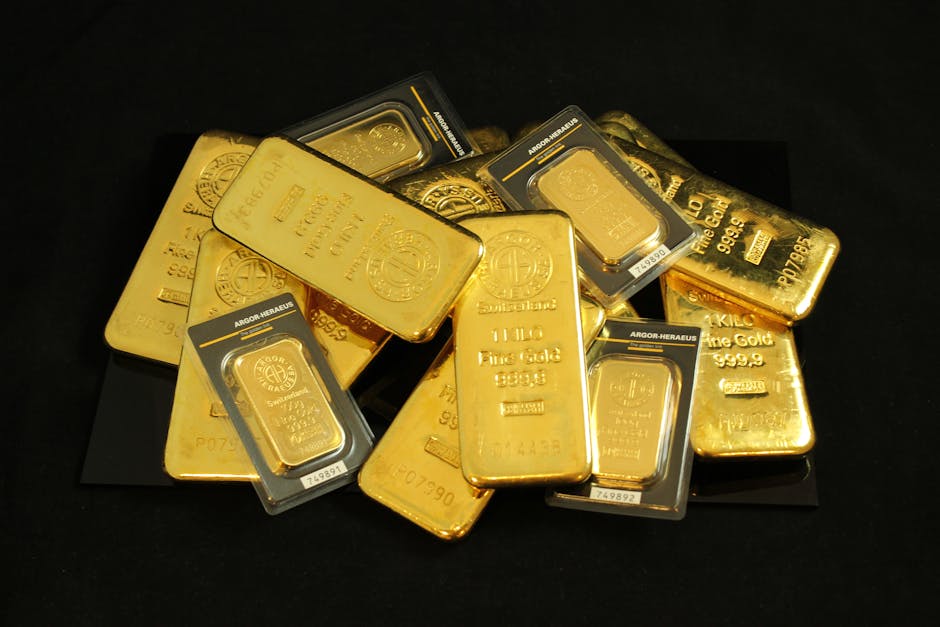
The price of gold rose 1% in July to reach $4,046 per ounce, recording its first monthly gain in five months. This upward movement contrasts with the previous half-year, during which the metal faced sustained pressure from macroeconomic headwinds and shifting monetary policy expectations.
Prior to July, gold prices had declined for four consecutive months.
The earlier downturn was driven by rising oil prices linked to tensions involving the US, Israel, and Iran. These geopolitical factors heightened concerns about inflation, strengthening expectations that central banks would adopt a hawkish stance. Simultaneously, increased demand for the US dollar as a safe-haven asset created selling pressure on precious metals.
Fed Policy and Dollar Dynamics Shift
July’s performance coincided with a slowdown in US inflation and personal consumption expenditures. This data increased optimism that the Federal Reserve would not rush to raise interest rates, providing support for gold. Additionally, a decline in the dollar index helped lift the price of the yellow metal.
Federal Reserve Chair Kevin Warsh contributed to this shift with cautious comments regarding the timing of future policy moves. His remarks highlighted uncertainties around interest rate decisions, weakening market expectations for immediate hikes.
Silver Declines Amid Rate Concerns
While gold advanced, silver prices fell 1.7% last month to close at $57.7 per ounce. The white metal faced selling pressure due to ongoing tensions in the Middle East and market pricing that suggests the Federal Reserve will not cut rates for an extended period.
Outlook: Limited Near-Term Movement
Daniela Corsini, senior commodities economist at Intesa Sanpaolo, stated that gold prices are likely to see limited movement in a horizontal band over the next few months. She identified the US dollar and Federal Reserve monetary policy as the main determining factors in the near term.
Corsini noted that markets remain concerned that the war in Iran could push energy prices higher, increasing inflation pressures and forcing the Fed to raise interest rates. Such a scenario would strengthen the dollar and weaken gold, an asset that yields no interest.
Despite these risks, Corsini indicated that downside potential in gold prices is limited.
Looking further ahead, Intesa Sanpaolo forecasts quarterly average gold prices of $4,200 in the third quarter of 2026 and $4,000 in the fourth quarter of 2026. The bank projects an average price of $4,200 for 2027.